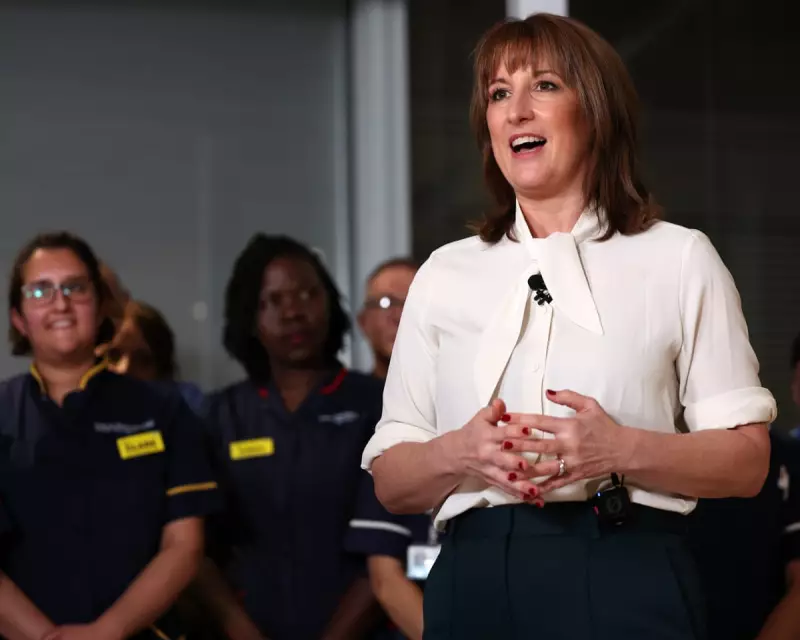
Chancellor Rachel Reeves has won significant backing from her own party after using her first budget to abolish the controversial two-child benefit cap, a move hailed as a core demonstration of Labour values.
Labour Backbenchers Celebrate Progressive Measures
The decision to entirely scrap the two-child limit, which prevents parents from claiming child tax credit or universal credit for more than two children, was met with public celebration from dozens of Labour MPs. The abolition of the policy, which will cost £3 billion by the end of the parliament, is a direct response to sustained pressure from the party's backbenches.
In a joint statement, Helen Hayes and Debbie Abrahams, the chairs of the education and work and pensions select committees, declared the move would "immediately lift hundreds of thousands of children out of poverty and stop even more being drawn into it".

Antonia Bance, Labour MP for Tipton and Wednesbury, stated she had "worked to end the two-child limit ever since the day I was elected", while Ruth Cadbury praised the Chancellor for lifting nearly half a million children out of poverty "at the stroke of a pen".
A Budget of Mixed Reactions and Political Manoeuvring
Announcing the decision in the Commons, Rachel Reeves asserted she would not "preside over a status quo that punishes children for the circumstances of their birth." The move is seen as a key part of a charm offensive by Reeves and Prime Minister Keir Starmer to stabilise their positions with a sometimes fractious parliamentary party.
One Labour frontbencher suggested the move had bought the chancellor "time and respect" from the Parliamentary Labour Party (PLP). The budget also included other popular measures with backbenchers, such as raising the minimum wage, introducing a gambling levy on online betting companies, and a new tax on homes worth over £2 million.
However, the reception was not universally positive. Privately, some Labour MPs criticised the budget as a "complete shambles", citing the decision to freeze income tax thresholds for another three years. This central revenue-raising measure is expected to generate £7.6 billion by 2030 by pulling more people into tax and higher tax bands. The budget also included a tax raid on pension contributions and a cut to the tax-free cash ISA limit for under-65s.
Opposition Parties Condemn Labour's Fiscal Plan
The budget faced immediate criticism from opposition parties. Conservative leader Kemi Badenoch labelled it a recipe for "higher taxes and out of control spending" and claimed it made Reeves's position "untenable".
Adrian Ramsay, the Green party's Treasury spokesperson, accused Labour of choosing "half-measures" that fail to address deep-rooted economic problems. Meanwhile, Reform UK leader Nigel Farage held a press conference to condemn a budget he claimed would do nothing for an economy "on the edge of a precipice," predicting an acceleration in the exodus of wealthy entrepreneurs from the UK.
The budget has undoubtedly reshaped the political landscape, uniting the Labour party behind its leadership for now, while drawing clear battle lines with its opponents over the future of the UK's economy and social security system.