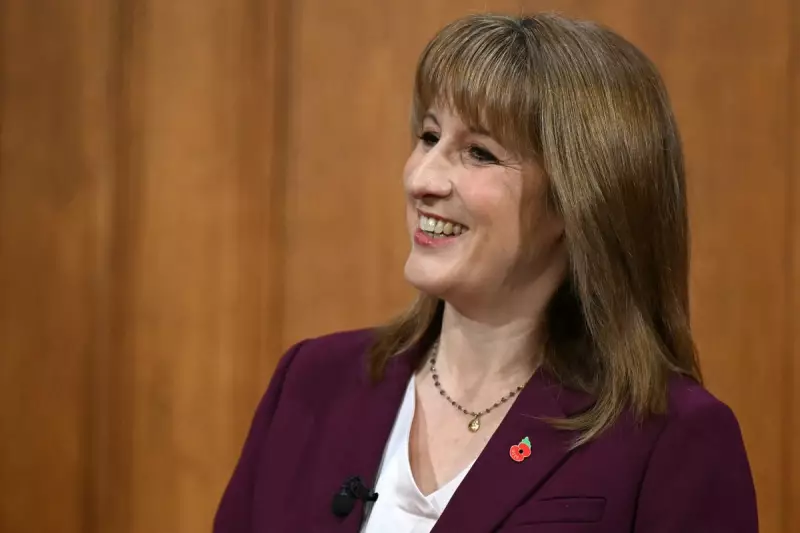
Chancellor Rachel Reeves has dramatically abandoned plans to increase income tax rates just weeks before her crucial Autumn Budget, according to multiple reports emerging from Westminster.
What prompted the sudden U-turn?
The reversal comes after weeks of speculation that Labour would break its flagship manifesto pledge by raising income tax to address significant gaps in public finances. However, fears of voter backlash, potential rebellion among Labour backbenchers, and growing political instability within Downing Street appear to have forced a last-minute retreat.
The Chancellor reportedly communicated her decision to the Office for Budget Responsibility (OBR) mid-week when submitting her list of major Budget measures. Culture Secretary Lisa Nandy carefully avoided confirming the U-turn directly, stating only that Reeves "won't play fast and loose with people's money."

Political opponents quickly seized on the development. Conservative leader Kemi Badenoch described it as "good (if true)" while criticising what she called a Budget "built on broken promises," while the Liberal Democrats characterised the move as an "11th-hour screeching U-turn."
How will the Treasury fill the fiscal gap?
While headline income tax rates may remain unchanged, taxpayers shouldn't breathe a complete sigh of relief. The Treasury is actively exploring alternative methods to raise revenue, primarily through freezing or reducing income tax thresholds while keeping the headline rates static.
This approach represents a stealth tax mechanism that has been deployed repeatedly in recent years. When thresholds fail to rise with wages or are actively reduced, more income gets dragged into higher tax bands, increasing tax bills without ministers technically breaking tax-rate pledges.
Additional measures under consideration include:
- Targeted tax rises on capital gains and second homes
- Potential windfall taxes on banks
- Business tax adjustments approached with caution
- Clamping down on tax reliefs and loopholes
What this means for your wallet
The practical consequences of threshold changes could be significant for millions of Britons. Lowering or freezing thresholds in cash terms means:
- More people will start paying tax as earnings rise but the personal allowance remains static
- Increasing numbers of middle earners will be dragged into the 40% higher-rate tax band
- Households will experience quiet but persistent increases in their tax bills
For the average worker earning around £32,000, the impact could be just as substantial as a small rise in the basic rate. As wages increase, more of their income would be taxed at 20%, or they might find themselves pulled closer to the 40% threshold if bands are tightened.
The Chancellor faces the challenge of closing a significant fiscal gap through these alternative measures, none of which individually deliver the scale of revenue an income tax rate rise would have provided. However, combined they may help meet her self-imposed fiscal rules, though all options ultimately feed back to households through either direct taxation or higher costs passed on by businesses.