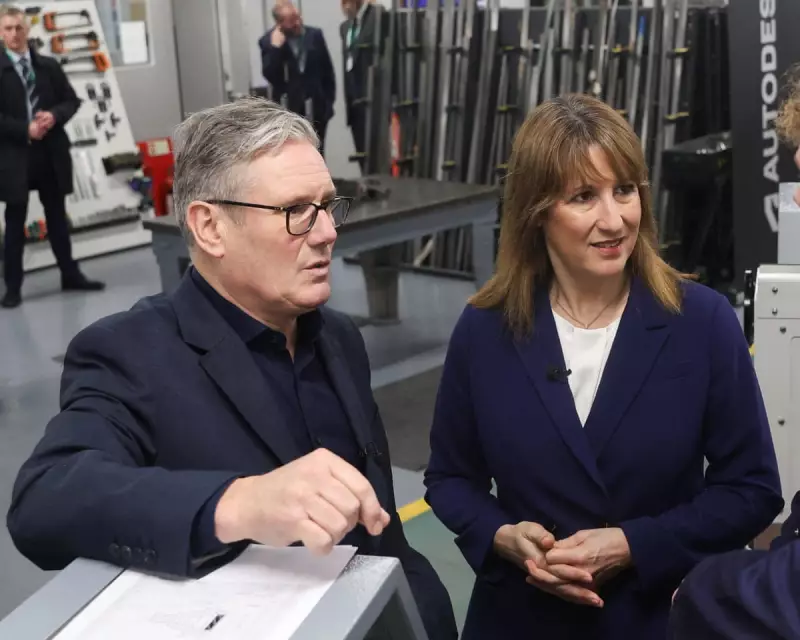
In a dramatic reversal, Chancellor Rachel Reeves is set to abandon plans to increase income tax rates in her upcoming budget, following a week of intense internal conflict within the Labour Party.
A Major Policy Reversal
The decision, confirmed by sources to the Guardian, represents a significant U-turn after the government had spent weeks preparing the ground to break a key manifesto pledge. Prime Minister Keir Starmer and Chancellor Reeves have now ditched the proposed income tax increases that had been formally communicated to the Office for Budget Responsibility just days earlier.
Downing Street has declined to deny the reports, first broken by the Financial Times, while maintaining its position of not commenting on budget matters. The reversal comes amidst extraordinary briefing wars within Labour, with allies of the prime minister publicly insisting he would fight any leadership challenge.

Internal Party Conflict and Leadership Speculation
The political turmoil erupted into public view when close associates of Starmer shared speculation that Health Secretary Wes Streeting was planning an imminent leadership challenge, a claim Streeting has publicly denied. Labour MPs and even some cabinet ministers expressed astonishment at Number 10's admission that the prime minister was vulnerable.
This internal warfare appears to have directly influenced the budget decision. The message to Labour MPs to avoid speaking out against the budget due to potential market repercussions now rings hollow following the chancellor's U-turn after days of public party conflict.
Alternative Revenue Strategies
With the abandonment of income tax rises, Reeves and Starmer are now likely to rely on multiple smaller tax-raising measures to fill an anticipated multi-billion pound financial black hole. This shortfall has been caused by a downgrade in productivity forecasts and U-turns on other flagship policies, including cuts to winter fuel allowances and disability benefits.
Among the alternative measures under consideration are higher levies on gambling, an approach championed by former Prime Minister Gordon Brown. However, Treasury sources have indicated that revenues from such levies would not come close to funding potentially expensive policies like ending the two-child benefit limit.
The chancellor is already expected to extend the freeze on personal tax thresholds introduced by the Conservatives, a move that effectively constitutes an income tax rise by stealth as inflation pushes more people into higher tax brackets.
The Treasury had recently attempted to win over sceptical Labour MPs through roundtable events with ministers and economists, emphasising the need for fiscal stability. Despite Labour's large majority, MPs had previously demonstrated their influence by forcing a government U-turn on welfare policy in July.
This latest budget reversal marks the culmination of months of discontent with Starmer's leadership and political operation, which burst into the open over the tax plan. The episode has exposed significant tensions within the party and raised questions about the government's economic strategy just months after taking office.