Chancellor Unveils Tax Reforms Targeting Wealthy Households
Chancellor of the Exchequer Rachel Reeves has presented a landmark budget that aims to raise £26bn primarily from Britain's wealthiest households, marking a significant shift in the government's fiscal approach. The announcement came during a chaotic day in Westminster that saw key budget details accidentally released early by the Office for Budget Responsibility.
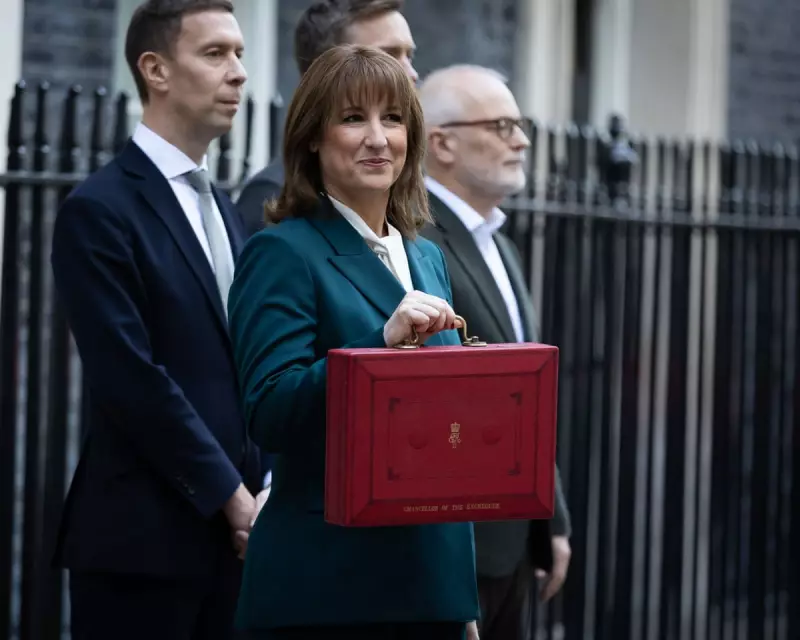
Standing outside Downing Street with the traditional red budget briefcase, Reeves defended her measures by stating she was "asking everyone to make a contribution to repair the public finances" while ensuring those with the broadest shoulders would bear the heaviest burden. The budget will push the UK's tax take to a record high of 38% of GDP within five years.
Key Tax Measures and Economic Impact
The centrepiece of Reeves' budget involves substantial tax increases targeting high-net-worth individuals. A new council tax surcharge will apply to properties valued over £2m, effectively creating a "mansion tax" that has long been debated in political circles. Additionally, the chancellor announced a 2p increase on income from dividends, savings, and property investments.

In a move that will affect millions of workers, Reeves extended the freeze on income tax and national insurance thresholds for an additional three years. This policy of fiscal drag will drag 1.7 million workers into either paying tax for the first time or moving into higher tax bands. The threshold freeze alone is projected to raise £12.4bn by 2030-31.
The Office for Budget Responsibility revealed that this freeze will result in 24% of taxpayers paying higher or additional rates within five years. Specifically, 780,000 people will be pulled into paying basic rate income tax, while 920,000 will move into the higher rate bracket, and 4,000 additional rate taxpayers will be created.
Social Reforms and Poverty Reduction
One of the most celebrated measures among Labour MPs was the complete scrapping of the controversial two-child benefit limit, which will cost £3bn annually. The government estimates this reform will lift 450,000 children out of poverty, addressing what Reeves described as a system that "punishes children for the circumstances of their birth."
The budget also introduces significant cost-of-living measures, including removing green subsidies from household energy bills and freezing rail fares. Energy levies will now be paid through general taxation rather than directly through bills, reducing average household energy costs by £150 annually from next April.
Financial markets responded positively to the budget announcement, with gilt yields falling to 4.41% and the chancellor more than doubling her financial buffer against fiscal rules to £21.7bn. However, analysts noted that the bulk of tax increases are scheduled for the later years of the parliament, creating what some describe as a "spend now, pay later" approach.
Political Reactions and Economic Outlook
Within Labour ranks, the budget was widely praised as representing a shift toward traditional Labour values. One senior strategist described it as evidence of "a full-blooded Labour government" that protects those with greatest need while asking the wealthiest to contribute more.
However, Conservative leader Kemi Badenoch dismissed the measures as a "Benefits Street budget," accusing Reeves of making ordinary people pay for government incompetence. Some Labour ministers privately expressed concerns that the budget did little to address fundamental economic weaknesses, with one noting it merely "delays the now inevitable reckoning."
The Resolution Foundation welcomed the cost-of-living measures but cautioned that much of the fiscal repair job has been postponed until 2028 and beyond, leaving the economy vulnerable to changing economic conditions. The OBR now expects average GDP growth of just 1.5% over the next five years, 0.3% slower than previous forecasts.

In her address to MPs, Reeves acknowledged they would face negative media coverage but urged them to "win the argument for the budget" with voters every single day, setting the stage for a prolonged political battle over the government's new economic direction.