A Chancellor's Test: Restoring Calm to the UK Treasury
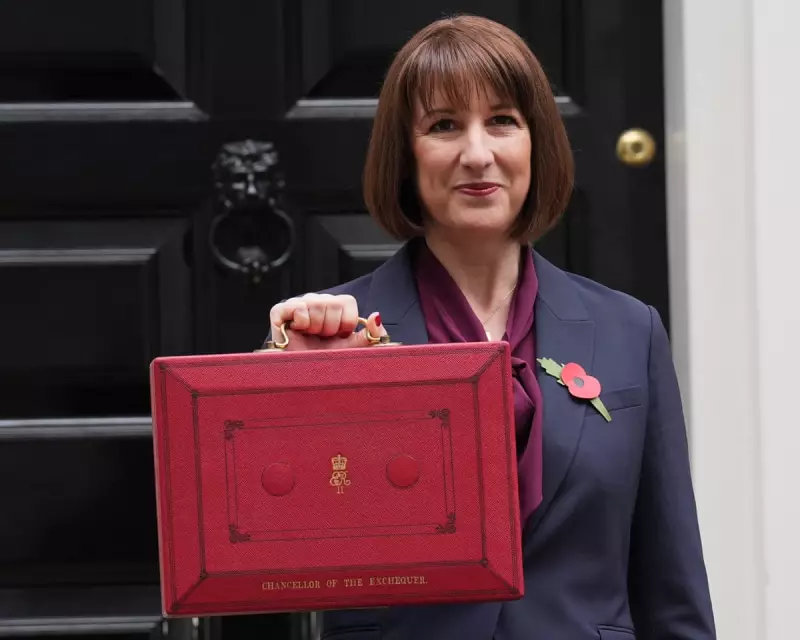
Chancellor Rachel Reeves stands at a critical juncture as she prepares to deliver what many hope will be a landmark budget statement this Wednesday. Following months of economic uncertainty and volatile market conditions, this fiscal event represents her opportunity to restore stability to Britain's finances and potentially make future budgets reassuringly uneventful.
The Chaotic Buildup to a Make-or-Break Budget
Policy experts and economists widely agree that the lead-up to this year's budget has been among the most drawn-out and chaotic in recent memory. Treasury insiders maintain they've adhered to consistent Labour values throughout, with Reeves having identified her three key priorities back in July: strengthening the NHS, addressing the cost of living crisis, and managing public debt.
However, the combination of unpredictable bond markets, strict fiscal rules, and the chancellor's decision to operate with less than £10 billion of headroom has created months of uncertainty and difficult decisions. This situation contradicts the traditional expectation that budgets should be predictable affairs, aside from post-election statements or during genuine economic emergencies.

History shows that memorable budgets often prove problematic. Examples include Gordon Brown's controversial abolition of the 10p income tax rate in 2008, George Osborne's infamous omnishambles budget in 2012, and Anthony Barber's 1971 dash for growth that ultimately triggered an unsustainable boom.
Three Key Challenges for Economic Stability
Reeves faces three critical tasks in Wednesday's budget to cut through the current fog of uncertainty and position herself for a calmer fiscal event next year.
First, she must significantly increase her fiscal headroom. Financial markets anticipate this could double to around £20 billion. While the chancellor has rightly highlighted the trade-offs involved - since substantial tax increases could further dampen already anaemic economic growth - greater breathing space would prevent every minor economic fluctuation from threatening her ability to meet fiscal targets.
Second, Reeves appears likely to downgrade the status of the Office for Budget Responsibility's spring forecast, following International Monetary Fund recommendations. The UK remains unusual in holding two major fiscal events annually. This change would mean the OBR continues to analyse the economy's health but wouldn't formally assess whether the chancellor meets her fiscal rules, potentially reducing budget-related drama.
Third, and most challenging, the chancellor must articulate a clear direction for the country. Voters and markets alike need to understand how Labour intends to fulfil its manifesto pledge to change Britain and how the costs of this transformation will be fairly distributed.
From Manifesto Promises to Fiscal Reality
The government's self-imposed constraints have complicated decision-making. Rather than initiating comprehensive reviews of wealth taxation, council tax reform, or the pensions triple lock, the strict manifesto tax promises led to a £25 billion increase in employer national insurance contributions. Many analysts, including those at the Bank of England, believe this measure has hampered business hiring and contributed to inflationary pressures.
Particularly striking is the chancellor's expected U-turn on income tax thresholds. In last year's budget, Reeves emphatically stated that freezing these thresholds would hurt working people. Yet on Wednesday, she's widely expected to implement exactly this measure.
An alternative approach would have involved a comprehensive go big package including income tax increases that substantially boosted fiscal headroom. The argument, tested in her recent scene-setting speech, would have emphasised that if we are to build the future of Britain together, we will all have to contribute to that effort.

If, as anticipated, the chancellor opts for a selective mix of tax changes instead, she'll need a compelling narrative to unite them. Even if these measures predominantly affect higher earners and wealthier individuals, she must communicate this progressive approach clearly to create a coherent budget message.
Everyone - from bond market participants who could determine the budget's success to frustrated voters across the country - would benefit from a clearer understanding of this Labour chancellor's principles and purpose. Achieving this clarity might just make next year's budget reassuringly boring, assuming Reeves remains in position to deliver it.