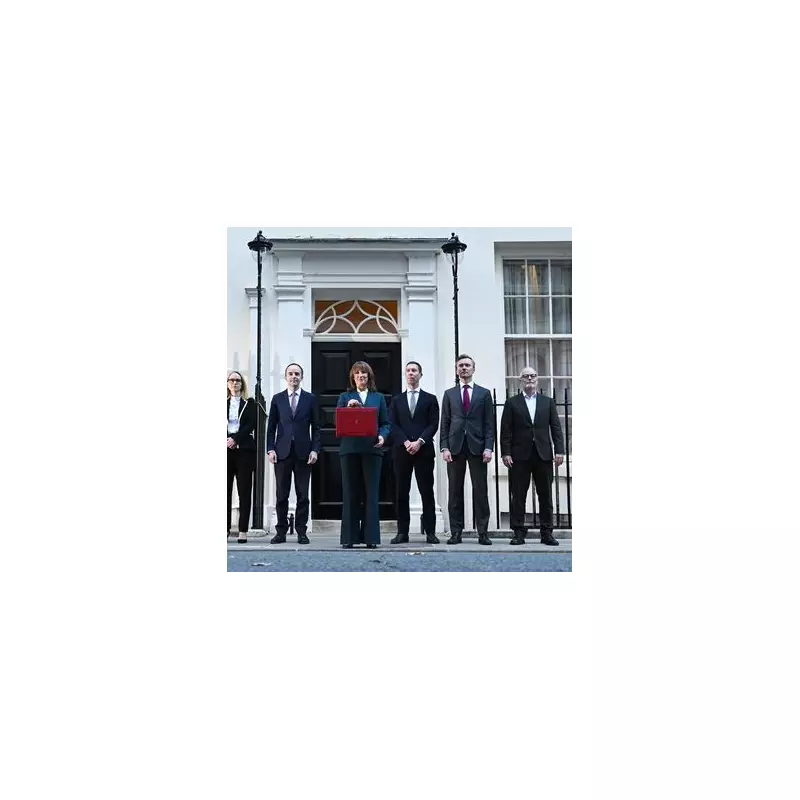
Chancellor Rachel Reeves has unveiled a transformative Budget featuring £26 billion in annual tax rises, with significant reforms targeting high-value properties while scrapping controversial benefit restrictions.
Major Tax Reforms and Property Measures
The centrepiece of Reeves' fiscal plan introduces a "high value council tax surcharge" affecting properties valued over £2 million. This mansion tax will impact between 100,000 and 200,000 homes across Britain, with annual charges ranging from £2,500 to £7,500 depending on property value.
According to the Office for Budget Responsibility, the surcharge will generate approximately £400 million annually for the Treasury when implemented in April 2028, using property valuations from 2026 across four distinct price bands.

In a significant welfare policy reversal, the Chancellor confirmed the abolition of the two-child benefit limit that has restricted child tax credits and universal credit since 2017. This move, long demanded by anti-poverty campaigners, is projected to lift 450,000 children out of poverty at a cost of £3 billion to the Treasury by 2029-30.
Transport and Household Savings
Commuters received welcome news with the announcement of the first rail fare freeze in 30 years, saving passengers £600 million during 2026/27 across more than a billion journeys. Transport Secretary Heidi Alexander criticised previous Conservative administrations for allowing private sector profits from unreliable services.
Households will benefit from an average £150 reduction in energy bills from April, as Reeves scraps the Conservative ECO scheme that cost £1.7 billion annually while failing to adequately address fuel poverty.
The 5p fuel duty cut will remain until September 2026 before being gradually reversed, providing continued relief for motorists amid cost-of-living pressures.
Wage Increases and Industry Levies
Millions of workers will see significant pay increases from April, with the National Living Wage rising to £12.71 per hour for over-21s - an annual increase of approximately £900. Younger workers aged 18-20 will receive £10.85 per hour, representing an 8.5% boost.
The gambling industry faces substantial tax increases, with remote gaming duty jumping from 21% to 40% from April 2026. A new 25% general betting duty for remote betting will follow in April 2027, though bingo duty will be eliminated entirely.
These measures aim to generate £1.1 billion in revenue by 2029-30 from the gambling sector.
Long-term Fiscal Measures
Income tax thresholds will remain frozen until 2030, pulling an estimated 1.5 million additional workers into higher tax brackets as wages increase. The OBR projects this freeze will yield £56 billion by 2030-31, with 780,000 more people paying basic rate tax and 920,000 moving into the higher rate bracket.
From April 2028, electric and hybrid vehicle owners will face new mileage-based charges approximately half the rate of current fuel duty, expected to raise £1.4 billion for Treasury coffers.
Pensioners will see state pensions increase by around £550 per year from April, rising in line with average earnings growth of 4.8% under the triple lock guarantee.
The soft drinks industry levy will expand in January 2028, with the sugar threshold reducing from 5g to 4.5g per 100ml and milkshakes and pre-packaged coffees now included.
Reeves told the House of Commons these measures represent "the right choices for a fairer, a stronger and more secure Britain," balancing fiscal responsibility with targeted support for families and strategic investment in public services.