Chancellor's Budget Faces Economic Challenges
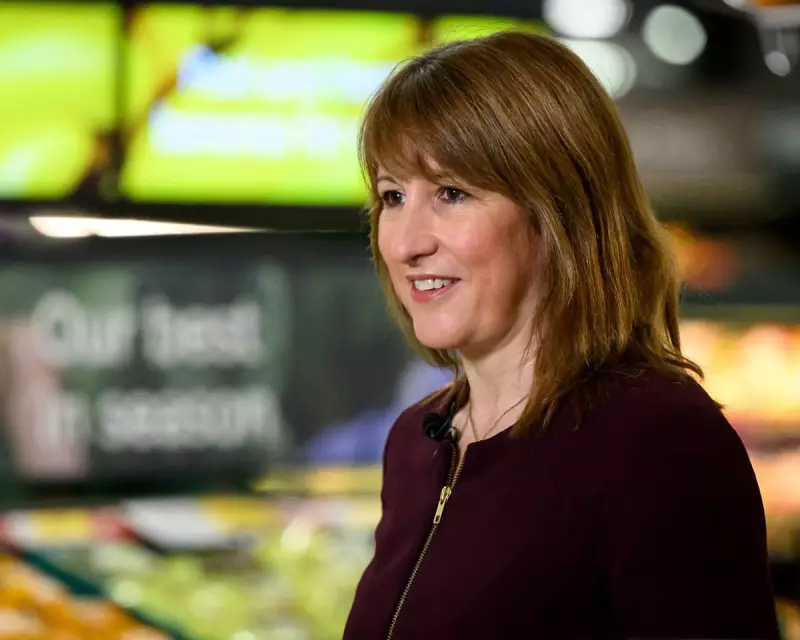
Chancellor Rachel Reeves is preparing to deliver what has been dubbed the 'hokey cokey budget' by Commons Speaker Lindsay Hoyle, following an unprecedented number of policy ideas being floated and subsequently withdrawn in the media. The Treasury's approach has drawn criticism for keeping Parliament largely in the dark while testing public reaction to potential measures through press briefings.
The fundamental challenge facing Reeves is a significant spending gap estimated between £20 billion and £30 billion, with the chancellor determined to avoid increasing borrowing levels. This constraint means the budget will likely feature either substantial spending reductions or tax increases to balance the books.
Key Tax Reforms and Revenue Measures
Following the abandonment of a proposed 2p income tax increase offset by national insurance cuts due to backlash from Labour MPs, the Treasury is now expected to freeze income tax thresholds for an additional two years beyond the current four-year freeze ending next April. This move could raise approximately £7.5 billion annually while being less immediately noticeable to taxpayers than direct rate increases.

In property taxation, Reeves is set to become the first chancellor in over three decades to tackle council tax reform. Rather than a complete overhaul, the government plans to revalue approximately 2.4 million high-value homes in bands F, G and H, effectively creating a 'mansion tax' on properties worth more than £2 million. This measure is expected to generate £400-450 million in additional revenue.
Inheritance tax reforms will target wealthier estates through several mechanisms. The chancellor is expected to introduce a cap on tax-free gifts and shorten the seven-year inheritance tax taper to three years. There's also speculation about removing the additional £175,000 property allowance that currently boosts the standard £325,000 inheritance tax threshold for main residences left to direct descendants.
Pensions, Savings and New Levies
While Reeves has stepped back from reducing the popular tax-free pension lump sum allowance, she is likely to introduce a £2,000 cap on salary sacrifice schemes for pension contributions. This change would require both employees and employers to pay national insurance on contributions above this threshold, potentially raising up to £4 billion.
Savings vehicles face significant changes, with the annual ISA allowance potentially being reduced from £20,000 to £12,000, allowing the Treasury to access some of the £300 billion held in tax-free savings accounts. Dividend income outside ISAs could also see reduced tax-free allowances and increased tax rates, particularly affecting company directors who supplement minimal salaries with dividend payments.
Transport taxation represents another revenue stream, with electric vehicle drivers facing a new 3p per mile tax and the possible end to the 15-year fuel duty freeze, though the latter might be postponed due to inflationary concerns. A separate 'taxi tax' on private hire vehicles could raise up to £750 million.
Other expected measures include increased gambling taxes raising £1-1.5 billion, a 'milkshake tax' extending sugar levies to milk-based drinks from 2028, and enabling local councils to implement tourism taxes on hotel stays and short-term rentals.
The Office for Budget Responsibility's economic assessment has reportedly downgraded the UK's growth potential across its five-year forecast period, despite the chancellor's arguments that her investment measures will improve the situation. This challenging economic backdrop sets the stage for what promises to be one of the most closely watched budgets in recent years.