In the weeks leading up to a Budget, a familiar ritual unfolds in Westminster: a flurry of speculation, strategic leaks, and trial balloons about potential tax and spending changes. But is this pre-Budget frenzy a vital part of the democratic process or a damaging source of uncertainty?
The Case For: A Vital Testing Ground
Advocates argue that pre-Budget speculation acts as a crucial testing exercise for government policy. Matthew Lesh, a public policy fellow at the Institute of Economic Affairs, compares it to firing test rockets. He suggests it is difficult to know how policies will land until they are subjected to public debate, media scrutiny, and market reactions.
This process provides an opportunity, particularly for a government, to avoid more significant and damaging mistakes. A compelling example emerged from a recent City AM and Freshwater Strategy poll, which found that two-thirds of the public would support Chancellor Rachel Reeves resigning if she broke the manifesto commitment not to increase income tax.

The intense public feeling against the policy reportedly led to a rapid government turnaround. The alternative, Lesh implies, could have been a public and parliamentary revolt, creating even greater instability for businesses and households.
The Case Against: Fuelling Uncertainty and Costly Actions
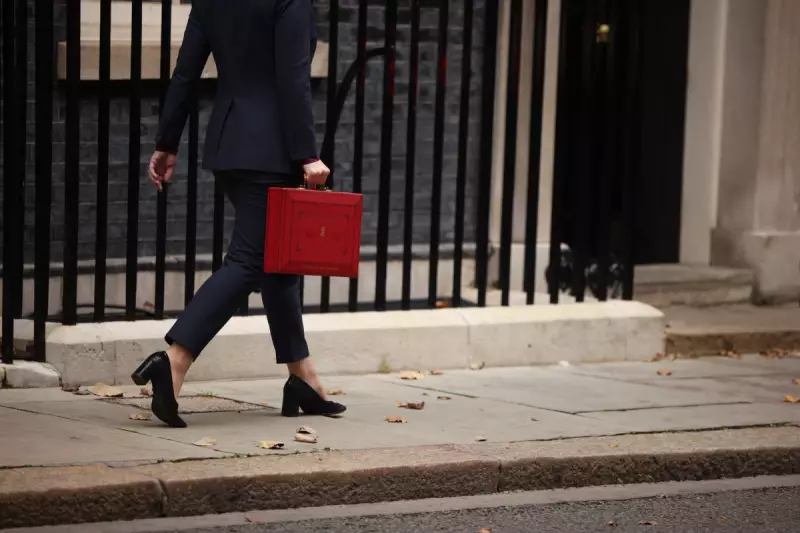
Opponents, however, see the practice as fundamentally flawed. They argue that the secrecy surrounding Budgets, where Chancellors theatrically unveil measures with little advance notice, is a major problem in UK tax policy-making.
While there is a place for building a public case for reform, the current speculation often lacks clarity. News stories feature a plethora of disparate tax proposals, frequently with no explanation of their origin or official status.
This months-long speculation at best creates uncertainty, causing decisions to be delayed, and at worst spurs pre-emptive action that can be costly. The core issue, critics contend, is that the government lacks a clear tax strategy, making it appear that almost anything could be on the table and undermining serious debate.
The Verdict: A Fine Line Between Statesman and Showman
The tradition of Budget secrecy is long-standing, with historical consequences for breaches. Labour Chancellor Hugh Dalton was forced to resign in 1947 after letting Budget details slip to a reporter just before his speech.
In 2025, the landscape has changed dramatically. While there is clear value in gauging public response to potential policies, the volume of noise has become a problem. As noted in City AM, speculation now borders on unhelpful, mixing fan fiction with actual fiscal policy.
Ultimately, it is a fine line for a Chancellor to walk. The art of the political showman demands anticipation and surprise, but the duty of a statesman requires careful preparation and stability. The debate continues on whether the current culture of pre-Budget leaks serves the national interest or undermines it.