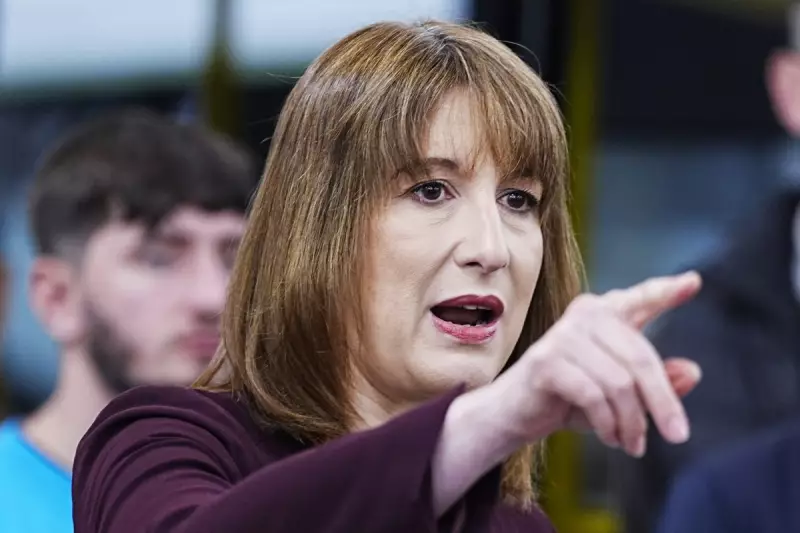
Chancellor Rachel Reeves faces mounting public pressure as a devastating new poll reveals two-thirds of Britons want her to resign if she breaks Labour's manifesto pledge by raising income tax in this month's Budget.
Public Rejects Government's Tax Rise Justifications
The latest City AM/Freshwater Strategy poll delivers brutal reading for the embattled Chancellor, who last week attempted to prepare the ground for tax increases in what was officially described as a "scene setter" speech. Despite blaming global headwinds, higher debt costs, the Conservative inheritance and even Brexit, the public overwhelmingly rejects the government's narrative.
When presented with multiple options, voters squarely point the finger at the current government, with 40 per cent holding Labour responsible for any tax rises compared to just 14 per cent who blame the previous Conservative administration. Only eight per cent accept the government's attempt to attribute responsibility to Brexit.

The polling data reveals a clear majority of 57 per cent believe tax increases demonstrate the government's failure to manage public finances and the economy properly, while just over one-third (35 per cent) consider them necessary to fix long-term problems and protect public services.
Growing Crisis for Labour Leadership
The Chancellor's personal position appears increasingly precarious, with 66 per cent of voters demanding her resignation if the Budget raises income tax, breaking Labour's explicit manifesto commitment. The government faces broader troubles, with majority believing the upcoming Budget will worsen both the economy (56 per cent) and their personal finances (59 per cent).
Public sentiment has shifted decisively toward tax cuts, even if this means reduced government spending on public services. Some 57 per cent now favour this approach compared to 31 per cent who prefer tax rises to enable additional public spending.
The political landscape shows Labour in deep trouble, dropping another three points this month to just 17 per cent among voters. While Reform's rise has slowed slightly, falling three points to 32 per cent, they maintain a commanding lead over both the Conservatives (19 per cent, up one point) and Liberal Democrats (13 per cent, unchanged).
Political Earthquake Reshaping British Politics
The Greens have emerged as another disruptive force, jumping five points to 13 per cent following their leadership change to left populist Zac Polanski. If these numbers translated into a uniform national swing, Reform would secure an extraordinary 415 parliamentary constituencies with Labour reduced to just 61.
Prime Minister Keir Starmer faces growing speculation about leadership challenges, with his net approval rating plummeting to -45, down five points in a single month and the lowest recorded since polling began. The traditional two-party system appears to be collapsing, with Labour and Conservatives together backed by only 36 per cent of the public nationally.
Last month's Caerphilly by-election for the Welsh assembly demonstrated the scale of political realignment, with Labour losing an area they had held for over a century. The vote split between victors Plaid Cymru (47 per cent) and Reform (36 per cent), while Labour and Tories combined managed just 13 per cent.
Despite their political differences, both Green and Reform supporters share a common belief that Britain no longer rewards hard work, according to the polling data. This month's Budget represents a critical opportunity for the government to reset the narrative and pursue growth-oriented policies, though the prospect of unpopular tax rises threatens to further toxify the political atmosphere and national mood.