Following the political drama surrounding its announcement, a new podcast episode is scrutinising the finer details of Chancellor Rachel Reeves's budget, raising critical questions about its long-term impact.
Beyond the Headlines: A Deeper Budget Dive
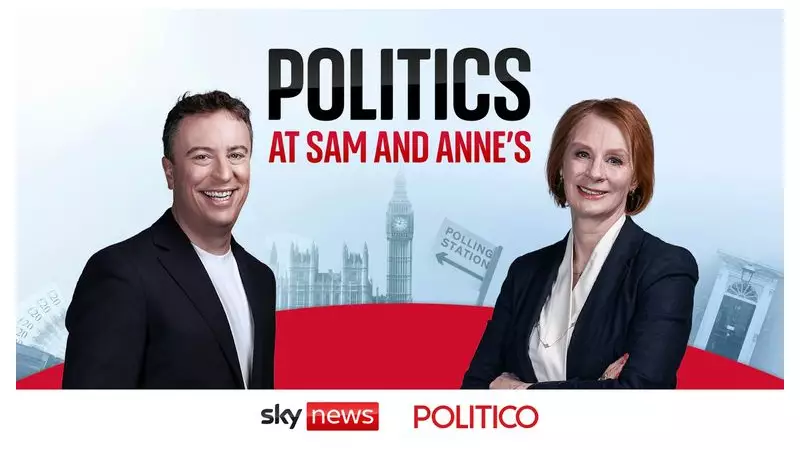
In the latest episode of Sky News' Politics at Sam and Anne's, the hosts look behind the major headlines from the budget delivered on Thursday 27 November 2025. They dedicate significant attention to items that received less public notice but could have profound consequences.
The central, and perhaps most alarming, question they pose is whether the budget could signal a return to austerity. This line of inquiry challenges the official narrative, suggesting that hidden within the figures are problems that could lead to spending cuts reminiscent of past governments.

The Practicality of New Taxes
Beyond the broader economic strategy, Sam and Anne turn their focus to the mechanics of the Chancellor's plan. They critically examine the practicalities of some new taxes announced by Rachel Reeves.
The podcast delves into the logistical challenges of how these levies will be collected and monitored. This scrutiny highlights potential administrative hurdles and compliance issues that the government will need to overcome, aspects often overlooked in initial budget coverage.
Ukraine Update and Wider Implications
Away from the intense focus on Westminster and the UK's finances, co-host Anne provides listeners with an important international update. The episode includes news on the situation in Ukraine and the ongoing push for a peace deal.
This segment offers a broader geopolitical context, reminding the audience of the external factors that can influence domestic economic policy and global market stability.
The analysis from Politics at Sam and Anne's suggests that the full story of this budget is more complex than it first appears, with its true impact on MPs, markets, businesses, and voters yet to be fully realised.