Take Control of Britain's Economy in New Budget Simulation
Imagine facing the same daunting challenge that awaits Chancellor Rachel Reeves on November 26th - delivering a budget that satisfies voters, keeps backbenchers content, and reassures nervous bond markets about Britain's economic stability.
A new interactive game lets you experience exactly that pressure as you attempt to design a successful budget against the backdrop of a worsening fiscal position.
The Chancellor's Fiscal Challenge
When Rachel Reeves stands up in parliament to present this year's budget, she'll be walking a financial tightrope with three key balancing acts to manage. The Chancellor must find ways to raise sufficient funds for essential public services that voters increasingly demand, while simultaneously keeping taxes at levels the electorate will accept. Most crucially, she needs to convince government creditors in bond markets that Britain remains capable of meeting its debt obligations.

The situation has deteriorated significantly since the spring statement. Back in March, Reeves had built a £9.9 billion "headroom" buffer against her fiscal rules, which mandate that day-to-day spending must be matched by receipts by the end of this parliament.
Mounting Economic Pressures
That financial cushion has likely been completely erased by three major factors: rising government borrowing costs, unexpected welfare policy reversals, and an anticipated productivity downgrade from the Office for Budget Responsibility.
According to the Institute for Fiscal Studies, these combined pressures could push government borrowing £22 billion higher by 2029-30 than previously forecast in March. To simply meet her existing fiscal rule, Reeves would need to find £12 billion through tax increases and spending reductions. Restoring the original £9.9 billion headroom would require a full £22 billion adjustment.
Most City investors expect the Chancellor to go even further, anticipating she'll create a new buffer of around £20 billion to prevent reigniting bond market concerns that could destabilise the economy.
Your Turn at the Economic Controls
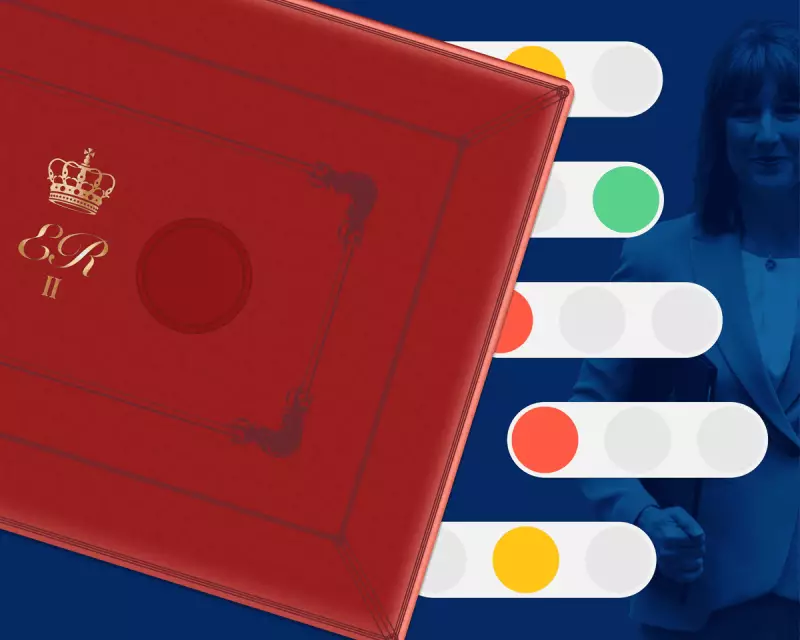
The interactive budget game puts you in the hot seat, starting with the same disadvantage the real Chancellor faces - beginning in the red. Your primary objective is to reduce the £12 billion shortfall, with a visual yellow bar tracking your progress as you make policy decisions.
But it's not just about the numbers. You'll need to monitor real-time alerts showing how financial markets and opinion polls are reacting to your choices. The markets may remain sceptical even if you achieve the £12 billion target, adding another layer of complexity to your decision-making.
If you find yourself struggling, treasury briefings (represented by chart icons) and political notes (note icons) provide guidance to help navigate the economic and political minefields.
The game uses estimates from leading economic institutions including Capital Economics, Resolution Foundation, Institute for Fiscal Studies, National Institute of Economic and Social Research, IPPR and HM Revenue and Customs. However, it's important to remember that these figures are illustrative, based on various assumptions about future growth, inflation and collection rates.
One thing is certain - after trying your hand at Britain's budget, you'll gain new appreciation for the immense challenges facing the real Chancellor as she prepares to address the nation on November 26th.