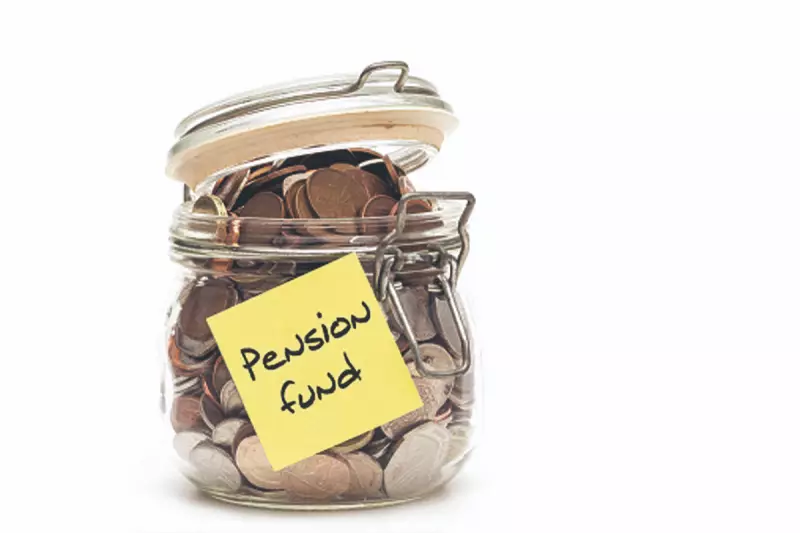
At just 31 years old, Martin Kimber already pays thousands of pounds annually into his pension, but a proposed government tax change could undermine his careful retirement planning and that of millions of other young savers.
The pension sacrifice that could face new taxes
Kimber, head of video and audio at City AM, sacrifices 15% of his salary into his pension - a decision that often draws puzzled looks from friends who can't understand why he foregoes foreign holidays to boost his retirement savings.
Born in June 1994, Kimber represents a generation already let down by political promises, having been among the first students affected by Nick Clegg's broken pledge on tuition fees. Now facing what he calls "the heart-felt, ironclad promise not to raise tuition fees" being abandoned, he sees history repeating with pensions.

His pension strategy delivers an immediate 37p saving on every pound for someone his age earning around £40,000 annually, thanks to reduced income tax, national insurance, and student loan repayments. But this could all change under new government proposals.
Why the two per cent NI tax threatens retirement security
The government is considering imposing a two per cent national insurance tax on salary sacrifice contributions above £2,000, a move Kimber describes as "deeply unfair" and enough to have him "frothing at the mouth".
This change would particularly impact private sector workers on defined contribution schemes, while leaving public sector defined benefit pensions untouched. Though Kimber doesn't resent public sector workers their pensions, he notes this creates an uneven playing field that "smacks of unfairness".
For Kimber, pension saving represents both practical financial planning and a moral choice. "Saving for my own retirement is the moral thing to do. Why burden the already over-stretched taxpayer when I'm perfectly capable of saving for my own retirement?"
The bigger picture: intergenerational fairness under threat
Kimber identifies several systemic issues making pension saving essential for his generation. The state pension is becoming "increasingly unsustainable", potentially turning into what he describes as "a Ponzi scheme retirement fund with a state attached".
Young people face multiple financial challenges including the highest inflation in the G7, which has eroded money's value by 24% in just four years, and soaring rents after government policies drove private landlords from the market.
Meanwhile, the property ownership dream that worked for previous generations seems increasingly out of reach. "Young people have been brainwashed for decades, being told buying a property is the ticket to financial freedom," Kimber observes, noting today's unaffordable housing unlikely to deliver the windfalls seen by post-war parents.
The proposed pension tax changes come as means-testing of old-age benefits faces resistance from "petulant, asset-rich multi-millionaire boomers" who protest that "I paid in my whole life", despite never having contributed to a personal state pension pot.
Kimber highlights the absurdity that David Beckham would be entitled to the same state pension as a lifelong retail worker, assuming both meet National Insurance requirements.
He poses a fundamental question: "How can young people be expected to enter into the social contract of capitalism, the least-worst system that's yet been tried, if we are not permitted to accumulate capital?"
Echoing concerns raised by Sir Martin Sorrell of WPP, Kimber worries that Britain's punitive tax regime risks not just a billionaire exodus but a "brain drain of our youngest and brightest minds".
As the government considers this pension tax change, Kimber and millions of other young savers face watching their primary wealth-building strategy being undermined, potentially forcing a rethink of retirement planning for an entire generation.