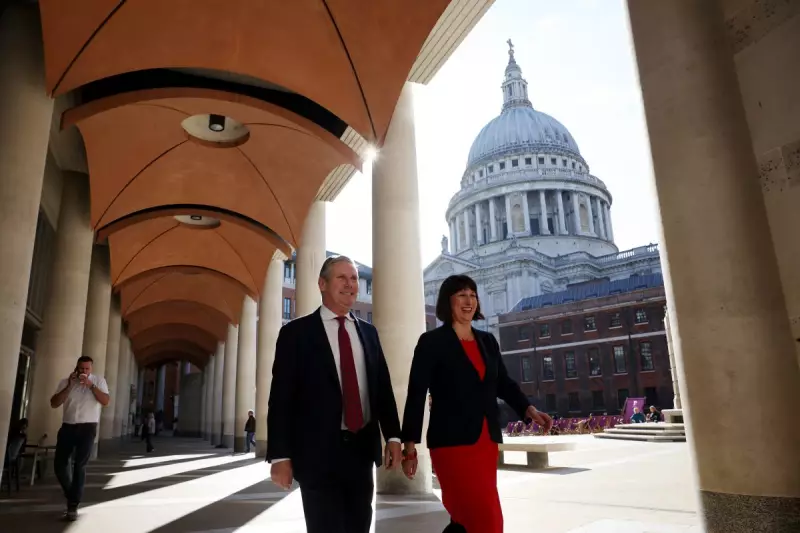
The UK's fiscal watchdog has issued a stark warning to Chancellor Rachel Reeves, cautioning that her strategy of increasing the nation's tax burden could hamper economic growth more severely than official forecasts predict.
A Warning in the Small Print
In the detailed annexes of its recent Budget report, the Office for Budget Responsibility (OBR) expressed significant concerns. The independent body indicated that a higher level of taxation increases the risk that incentives within the tax system distort or constrain economic activity by more than expected.
This commentary arrives as Chancellor Reeves, from the Labour party, has overseen a rise in the UK's tax burden to an all-time high. Her policies, which include introducing new levies and extending a freeze on income tax thresholds for an additional two years, have added a substantial £26 billion to government receipts.

Uncertain Revenues and Economic Distortions
The OBR's report highlighted the particular difficulty in forecasting taxes on assets, such as capital gains tax, noting they are highly sensitive to taxpayer behaviour and volatile market prices. In contrast, yields from income taxes are considered easier to project.
However, the fiscal watchdog warned of significant uncertainty surrounding the forecast for the total tax take. It detailed that efforts by HMRC to close the tax gap—the difference between expected and actual tax revenue—could raise an extra £2.3 billion. Yet, the OBR also indicated this revenue forecast could be inaccurate by a margin of £8 billion in either direction.
One of the government's key revenue-raising policies, a new mansion tax surcharge on properties valued over £2 million, also faces forecasting challenges. The OBR stated that behavioural factors, including appeals against property valuations, would lead to £100 million in additional borrowing in each of the next two years. The policy is only expected to raise a net £400 million after 2028, a figure that remains highly dependent on the Valuation Office Agency's effectiveness.
Broader Fiscal Risks and Political Tensions
The questions over tax forecasts are matched by uncertainties on the spending side. The OBR's report pointed to several risks to its projections, including:
- Higher-than-expected welfare expenditure over the next five years.
- Added costs to the NHS budget from the Trump administration's protectionist approach to pharmaceuticals.
- The ability of the Home Office to end the use of asylum hotels, a measure intended to save up to £1.1 billion.
These fiscal concerns have amplified a growing sense of angst among economists about the government's reliance on forecasts. Sir Charlie Bean, a former OBR board member, told City AM that it was patently absurd to fine-tune borrowing and debt targets to specific numbers in the report.
The series of cautious notes in the OBR's publication may also reflect a sense of tension with the Treasury. This follows a week where the OBR declined to score the government's growth policies, accidentally released its report early, and contradicted government claims that fiscal headroom had improved enough to abandon income tax rises.