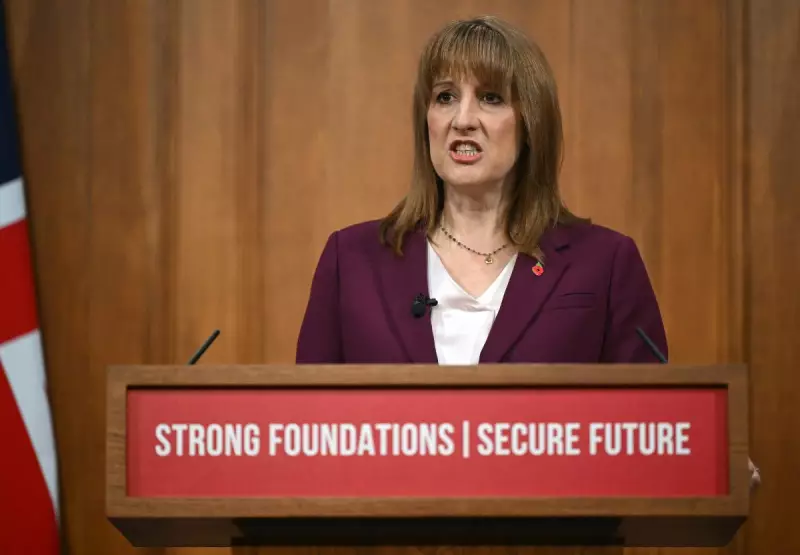
The UK's independent fiscal watchdog has issued a stark warning, stating that the government's latest Budget leaves the nation's public finances in a perilous state. In a report published ahead of schedule, the Office for Budget Responsibility (OBR) delivered a damning assessment of Chancellor Rachel Reeves' financial plans.
Public Finances Left 'Vulnerable' to Shocks
The OBR's central critique is that the Budget fails to adequately shield the UK from future economic turbulence. The watchdog explicitly stated that the plans "leave the UK public finances relatively vulnerable to future shocks." Even if the government successfully meets its own fiscal rules, the OBR predicts the UK's financial health will remain weaker than that of comparable nations.
A major point of concern is the soaring cost of government debt. The report highlights that the spending plans will result in the UK spending more on debt interest than at almost any time since the Second World War. This heavy burden limits the government's capacity to fund public services.

Furthermore, the OBR projects that the UK's debt-to-GDP ratio will remain alarmingly high. It is forecast to be around twice the advanced economy average and the sixth-highest among all advanced economies.
Tax Burden Set to Reach an All-Time High
Concurrent with the vulnerability warning, the OBR has forecast a historic rise in the UK's tax burden. Taxes as a share of GDP are predicted to climb from 35 per cent in 2024-25 to a record high of just over 38 per cent from 2029-30 onwards. This represents a significant five percentage point increase compared to pre-pandemic levels.
The OBR attributes two-thirds of this tax increase to rising personal taxes. This is primarily driven by two key factors:
- Previously announced freezes on income tax thresholds.
- New personal tax measures introduced in this Budget.
The impact of frozen tax bands will be profound for millions of Britons. The OBR predicts that by the end of the decade, an additional 10 million people will be dragged into higher tax brackets compared to 2023. This breakdown includes:
- 5.2 million people who will start paying income tax.
- 4.8 million people who will be pushed into the higher rate band.
- 600,000 extra people who will become additional rate taxpayers.
This 'fiscal drag' effect means that even without explicit tax rate hikes, wage inflation will pull more earners into paying more tax.
Long-Term Consequences for the UK Economy
The combined effect of high public debt and a record tax burden paints a challenging picture for the UK's economic future. The OBR's assessment suggests that the government's current fiscal strategy provides only a thin buffer against potential economic downturns or other unforeseen events.
While the Budget may address some immediate risks, the watchdog's verdict indicates that the underlying structural issues in the UK's public finances remain largely unresolved, leaving the economy exposed for years to come.