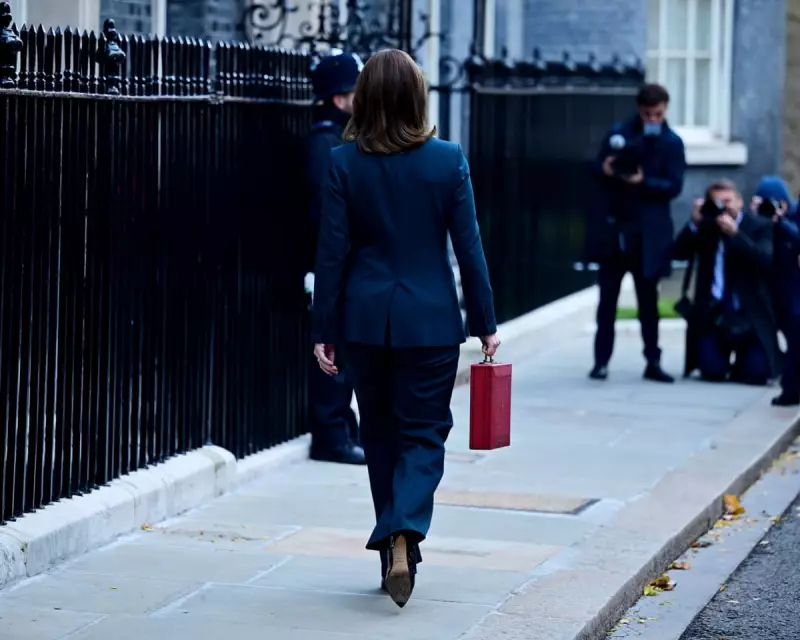
The UK's independent fiscal watchdog has delivered a stark warning that Chancellor Rachel Reeves's budget measures still leave the nation's public finances in a precarious position, despite her efforts to build a larger financial safety net.
Fiscal Vulnerability Remains High
The Office for Budget Responsibility (OBR) stated that the potential for damaging global events to derail government finances remains significant, even after Ms Reeves more than doubled the UK's financial buffer from £9.9 billion to £22 billion. The forecaster specifically highlighted risks such as a global stock market crash or future pandemic that could easily overwhelm the current protections.
In a comprehensive review of Britain's economic health dating back to the 2008 financial crisis, the OBR also delivered disappointing news on growth prospects. The economy is now expected to expand by 1.5% this year - an improvement from the previous 1% forecast - but will only grow by 1.4% next year, significantly lower than the 1.9% predicted in March.

Tax Rises and Economic Downgrades
The OBR's assessment came as Ms Reeves prepared to announce £26 billion in tax increases during her budget speech. The forecaster's report was accidentally released early, prompting an apology and internal investigation from the organisation.
According to the OBR analysis, the tax rises provided the Chancellor with resources to construct a larger financial buffer. This came after a £16 billion cost from economic downgrades was partially offset by £14 billion in additional income from higher tax receipts. The growth downgrade translates to 0.3 percentage points in lost economic growth by 2030 compared with March estimates.
Richard Hughes, Chair of the OBR, emphasised the ongoing fragility of Britain's fiscal position. He noted that the £22 billion buffer remains slender and could be overwhelmed by "£60 billion more debt by the end of the decade than we forecast in March, an overall debt burden which is twice the advanced-economy average, and the country continuing to pay more to service that debt than at almost any other time in its post-war history".
Spending Increases and Future Pain
The budget includes significant spending increases across each of the next five years, adding £11 billion by 2029-30. However, experts have characterised the measures as delaying much of the financial pain.
Ruth Curtice of the Resolution Foundation thinktank described the budget as a "repair job" that postpones the majority of tax rise impacts until 2028 and beyond. Similarly, Helen Miller from the Institute for Fiscal Studies labelled it a "spend now, pay later" budget that backdates most tax increases to the end of the parliamentary term.
The Chancellor has heavily relied on extending the freeze on income tax thresholds for three additional years to address spending gaps. This measure, often called a stealth tax, pushes more low-income earners into the standard tax band and existing taxpayers into higher rate bands. The OBR projects this move will raise an extra £8.3 billion in 2029-30.
Among other revenue-raising measures, the budget includes a clampdown on salary sacrifice schemes for tax-free pension contributions from April 2029, expected to generate £4.7 billion for Treasury coffers in the 2029-30 financial year. The Chancellor also announced £8 billion in wealth taxes, including an annual "mansion tax" on properties valued over £2 million, anticipated to raise £400 million annually from April 2028.
The OBR noted that inflation is expected to remain stubbornly high, with consumers facing 3.5% inflation this year (up from 3.2% forecast in March) and 2.5% next year (increased from 2.1%). This "sticky inflation" may provide some temporary benefit to government revenues through higher VAT receipts and income tax from increased wages.
Despite the challenging fiscal landscape, the OBR projects borrowing will decline from 4.5% of national income in 2025-26 to 1.9% in 2030-31, with the debt-to-national-income ratio beginning to fall in 2029-30.