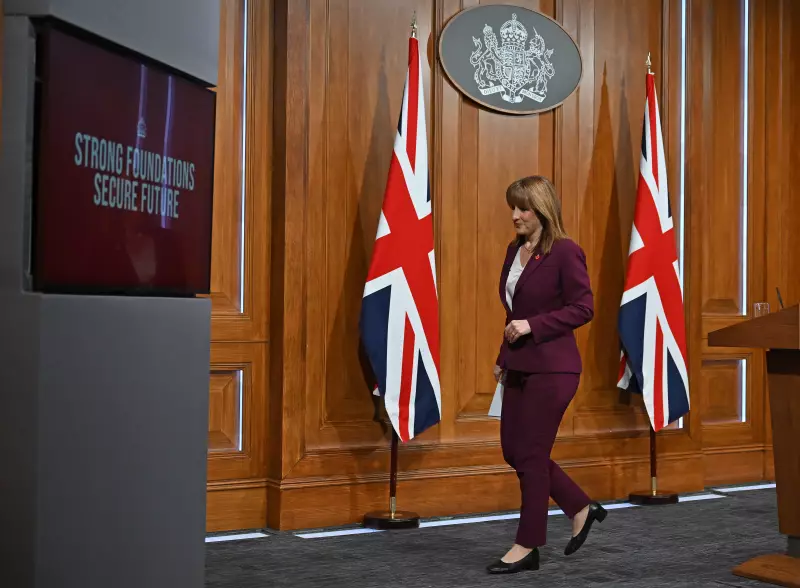
In the world of politics, a leader can survive for a surprisingly long time after losing the trust of the public. However, when financial markets decide a politician's credibility is gone, the consequences are often swift and severe. This is the stark reality now facing Chancellor Rachel Reeves, whose economic stewardship faces its most critical examination yet with the upcoming Budget announcement.
A Promise Broken: The 'Pro-Business' Pledge Unravels
Before the election, Rachel Reeves made a bold commitment, vowing that Labour would become 'the most pro-business government our country has ever seen.' This grand promise, however, appears to have crumbled within a matter of weeks. The government's first Budget landed a heavy blow on British enterprises, imposing a staggering £40bn in tax hikes on businesses.
The challenges have continued to mount. The controversial Employment Rights Bill has been met with unified opposition from employers and industry associations across the board. Compounding these issues, unemployment has risen every single month since Labour assumed power, and this troubling trend has emerged even before the new, more expansive employment laws have taken full effect.

Budget Chaos and a Spectacular U-Turn
What little credibility the Chancellor had left seemed to evaporate entirely in the days leading up to the Budget. The political spectacle began with an emergency pre-Budget address to the nation, seemingly preparing the public for a significant income tax rise that would break a key manifesto pledge.
This was followed by a period of political chaos, characterised by leaks, spin, and shoddy communications. The situation culminated in a dramatic u-turn, signalled through chaotic late-night briefings to the media. This extended and disorderly run-up to a Budget has already had a tangible impact, influencing real-world business decisions and activity.
Market Jitters: Why Relief is Premature
While the news that the Treasury will not immediately raid earnings might normally be a cause for relief, the manner of its delivery has instead created fresh anxiety. The core of this concern lies with the government's second major credibility problem: its relationship with the markets.
Analysts note that while there are multiple factors behind the recent downward trend in UK gilt yields, one significant driver was investor expectation of a clear and definitive tax rise. This was seen as the only viable path for a government unwilling to cut public spending.
The new expectation that Chancellor Reeves will now pursue a 'smorgasbord' of other levies – described by former IFS boss Paul Johnson as 'mouldy and unappetising' – risks unsettling the bond markets. David Zahn, head of European fixed income at Franklin Templeton, has warned of a real risk that Reeves 'disappoints' investors and triggers a sharp rise in yields. In an extreme scenario, such an adverse market reaction could 'force her hand to do a secondary Budget'.
The Chancellor's political credibility is already severely damaged. Her credibility with the markets will be put to the ultimate test one week from today.