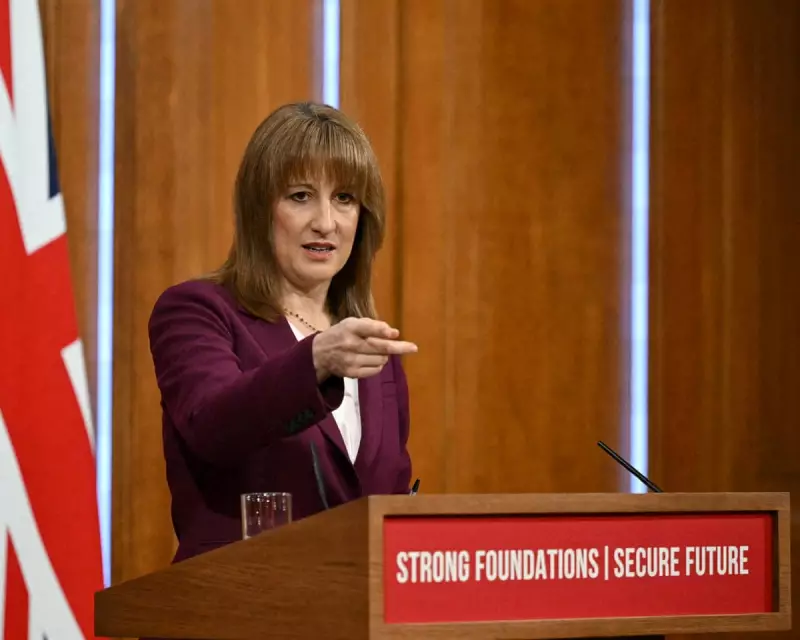
In a dramatic reversal that has shaken Westminster, Chancellor Rachel Reeves has abandoned plans to raise income tax in the upcoming budget, following weeks of signalling that such a move was inevitable. The sudden U-turn comes amid political turmoil within the Labour government and improved economic forecasts that have given the chancellor more room for manoeuvre.
The Internal Battle Over Tax Policy
For weeks, the government had been deeply divided over how to handle one of the most significant budgets in recent history. Two distinct camps emerged among advisers during intense internal debates.
One group argued that given the enormous fiscal challenges facing the country, Reeves should take the unprecedented step of raising income tax rates - something no chancellor has done in half a century. They believed this bold move was necessary to address the substantial financial shortfall.

The opposing faction warned that breaking a key manifesto pledge would amount to political suicide. They advocated for what some insiders called a "smorgasbord approach" - finding multiple smaller ways to raise revenue rather than one major tax increase that would alienate voters.
The Sudden Change of Heart
Until Wednesday 6th November, all indications suggested Reeves was leaning toward the first camp. She had delivered several speeches warning of difficult choices ahead and told BBC interviewers that sticking to manifesto commitments would require severe spending cuts.
Then everything changed abruptly. The reversal came as Prime Minister Keir Starmer faced a political backlash over a botched attempt by his aides to shore up his leadership position. Simultaneously, official forecasts revealed the government's financial black hole was closer to £20 billion rather than the feared £30 billion.
Government insiders claim the improved economic outlook allowed the chancellor to take a less politically risky path. However, some officials privately suggest the forecasts hadn't changed dramatically in the final week, indicating that political considerations played a significant role in the decision.
The Alternative Tax Options
Ministers and officials had been juggling various tax proposals throughout budget discussions, preparing multiple scenarios both with and without an income tax increase.
One considered option involved raising income tax by 2p while cutting national insurance by 2p, which would have generated approximately £6 billion. This approach would have technically allowed Reeves to maintain her claim of not raising taxes on working people, as the burden would primarily fall on pensioners and landlords.
Another proposal involved limiting national insurance cuts to those earning under £50,000 to maximise revenue. Meanwhile, freezing income tax thresholds remained a viable alternative, estimated to raise around £7.5 billion by dragging hundreds of thousands more people into the tax system.
The Political Fallout and Market Reaction
The U-turn, first revealed by the Financial Times on Thursday 7th November, triggered immediate market turbulence. Government borrowing costs rose and the pound weakened as investors reacted to the sudden policy shift.
The decision came after Health Secretary Wes Streeting had warned that breaking the tax pledge risked alienating voters' trust. Some in government believe the market jitters, while significant, would have paled in comparison to the political damage of breaking a major manifesto commitment.
As one government official reflected: "This has been handled chaotically, but we've got to the right place in the end." The episode reveals the delicate balancing act facing the Labour government as it navigates economic realities and political promises.