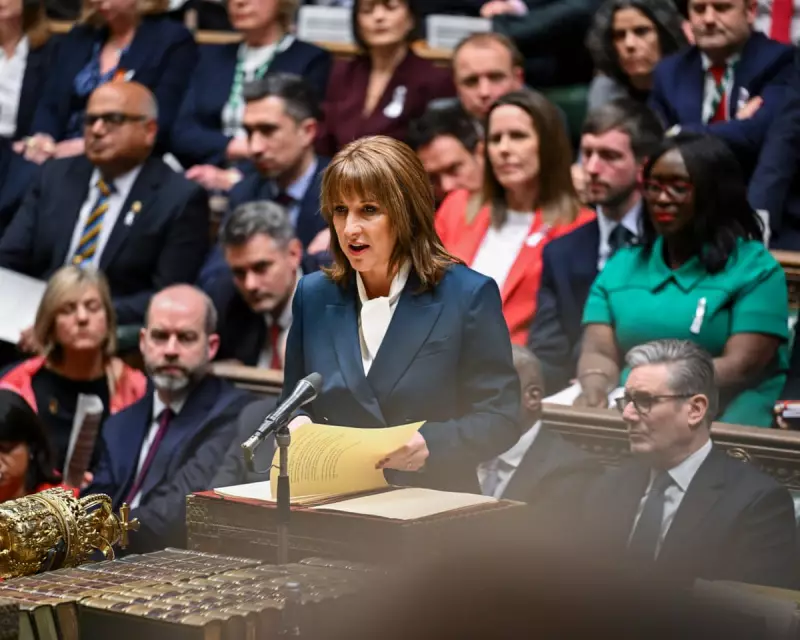
Chancellor Rachel Reeves has delivered her inaugural budget to the House of Commons, unveiling a package of measures that promise significant relief for struggling households while drawing sharp criticism over its underlying economic framework.
Progressive Measures and Immediate Relief
The budget contains several landmark policies that mark a clear departure from previous Conservative administrations. The abolition of the controversial two-child benefit cap stands out as a particularly transformative measure, with analysis suggesting it will lift approximately 350,000 children out of poverty.
Other headline announcements include increased taxes on gambling profits, a freeze on rail fares, and the implementation of a mansion tax targeting high-value properties. The government has also outlined a "managed transition" plan for the North Sea that aims to support oil and gas workers while pivoting toward clean energy sources.

These interventions represent what many Labour backbenchers have been demanding and should help ease the ongoing cost of living pressures facing millions of families across the UK.
The OBR's Stark Warning
Behind these popular announcements lies a more troubling picture painted by the independent Office for Budget Responsibility. The watchdog's analysis reveals that £26 billion in tax rises will fall heavily on workers, accompanied by falling investment, stagnant growth, and flat wages.
Most alarmingly, the OBR warns that unless the Treasury finds an additional £21 billion, unprotected public services including local councils, courts, and police forces face annual cuts of 3.3% between 2029 and 2031 - reductions comparable to George Osborne's austerity era.
The Chancellor's fiscal rules make these cuts appear inevitable, creating a fundamental contradiction between individual progressive policies and what the OBR describes as a "deeply conservative macro strategy."
Growth Mission Faces Reality Check
Despite the government declaring growth its "central mission," the budget forecasts GDP increasing at just 1.5% annually - a modest rate that will be further dampened by the continuing drag of Brexit on trade and investment.
The growing divide between the Treasury's optimistic projections and the OBR's more pessimistic assessment has prompted concern. In what critics describe as a worrying move, Ms Reeves plans to reduce OBR scrutiny by cutting budget checks from twice to once yearly, claiming this provides greater "policy certainty."
Meanwhile, think tanks including the New Economics Foundation argue that true fairness requires taxing wealth at the same rate as work, suggesting alignment of capital gains tax with income tax rates.
While the immediate gains for children and families are substantial and welcome, the underlying economic framework suggests the government may be storing up difficult choices for the future. The coming years will reveal whether Labour can reconcile its social democratic ambitions with its cautious fiscal constraints.