Budget Offers Lifeline for Struggling Labour Devolved Governments
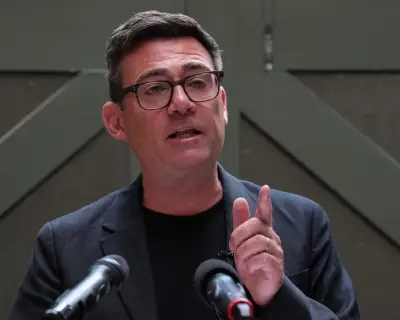
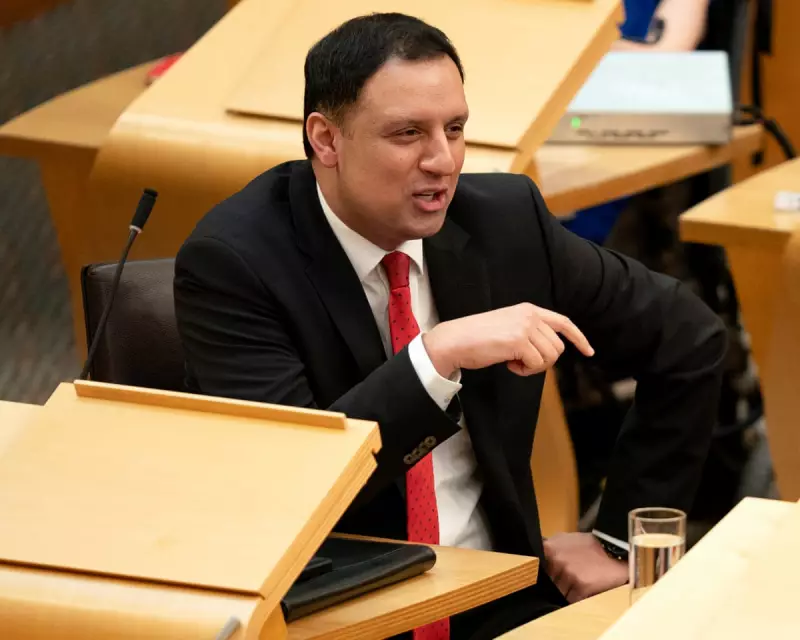
Scottish Labour leader Anas Sarwar and Welsh First Minister Eluned Morgan have enthusiastically embraced Chancellor Rachel Reeves' budget, hoping its nearly £2bn funding increase for devolved nations will reverse their fortunes ahead of critical elections next May.
Both leaders face potentially humiliating defeats according to consistent opinion polling, largely driven by voter dissatisfaction with Keir Starmer's Westminster government. The budget's progressive measures, particularly the abolition of the controversial two-child limit on universal credit, have been welcomed as potential game-changers.
Funding Breakdown and Political Reactions
The Treasury's announcement means £820m additional funding for the Scottish government over the next three years, while Wales receives a substantial £1bn boost - comprising £505m direct budget increase plus enhanced borrowing and reserve powers worth £425m.

Anas Sarwar declared the budget a victory for Labour values, stating: "I demanded a Labour budget rooted in Labour values and that is what the chancellor has delivered. This budget means child poverty down, energy bills down, wages up and austerity rejected."
Welsh First Minister Eluned Morgan echoed this sentiment, emphasising that the measures would "mean more money in the pocket of people who need it the most" while providing crucial support for hard-pressed public services.
Expert Analysis and Political Challenges
Despite the optimistic reception from Labour leaders, political analysts remain sceptical about the budget's electoral impact. Professor Laura McAllister of the Wales Governance Centre commented: "It's hard to imagine that the announcements will make a material difference to Welsh Labour's prospects. Overall, it's a case of too little, too late."
The Scottish TUC's Roz Foyer offered unexpected support, suggesting the chancellor might have played Labour's "get out of jail free card" by staving off short-term cuts and providing vital support for working people.
However, significant challenges remain. In Scotland, Labour trails behind both the SNP and Reform UK in polling, while in Wales - traditionally a Labour stronghold - the party risks being overtaken by Plaid Cymru and Reform.
Criticism and Additional Measures
The budget faced sharp criticism from Scottish Finance Secretary Shona Robison, who described it as a "chaotic mess" that fell short on energy bill promises and would disproportionately impact rural drivers through new electric car mileage rates.
Plaid Cymru leader Rhun ap Iorwerth claimed Wales was being "short-changed" by £4bn, citing the HS2 project and lack of progress on devolving the Crown Estate.
Northern Ireland's power-sharing government will receive an additional £370m plus £16.55m specifically for post-Brexit trade enhancement with the rest of the UK.
The Fraser of Allander Institute noted that scrapping the two-child cap would save the Scottish government £120m, as their own scheme to abolish it would no longer be necessary.