In a move that has shattered key election promises, Chancellor Rachel Reeves has unveiled a Budget that imposes an additional £26 billion in tax rises, marking a profound breach of trust with voters and plunging the Labour government into a credibility crisis.
The Broken Pledges
Throughout the election campaign and into government, both Prime Minister Keir Starmer and Chancellor Rachel Reeves repeatedly assured the British public they would not increase taxes on working people. They insisted their manifesto was fully costed and, with the tax burden at a 70-year high, they were not in the business of raising more revenue.
On Wednesday, the chancellor systematically dismantled those assurances. She extended a freeze on income tax thresholds for three years, a policy she had previously criticised as a Conservative measure that would "hurt working people". This decision alone is set to drag 800,000 workers into paying income tax and force another million into the higher 40% rate band, raising £8.3 billion.

This marks the second major tax-raising budget from Ms Reeves, following a £40 billion rise in her first budget. The Office for Budget Responsibility now predicts that by the end of this parliament, one in four people will be caught by the higher rate of tax.
A Budget for Political Survival
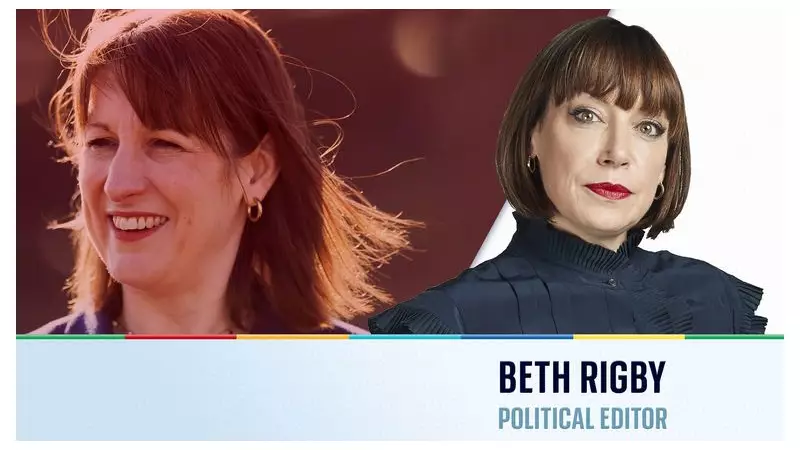
According to political editor Beth Rigby, the tax rises were designed to appease two key audiences: the financial markets and a mutinous Labour backbench. For the markets, the £26 billion injection helps the chancellor meet her strict fiscal rules, boosting her fiscal headroom from a precarious £9.9 billion to a more robust £22 billion buffer.
For the party, the budget served as a tool for self-preservation. The government, despite its commanding majority of over 400 MPs, has been forced into a defensive posture. Key U-turns, including a reversal on the winter fuel allowance and disability benefits costing £6.6 billion, and the surprise lifting of the two-child benefit cap at a cost of £3 billion, reveal an administration reacting to internal pressure rather than leading from the front.
"This is a budget for self-preservation, not for the country," one cabinet minister confessed. The chancellor's decisions appear aimed at buying time and quelling dissent amid whispers of a leadership challenge.
An Unrecoverable Credibility?
When confronted with the broken manifesto promises, the chancellor argued technically that her pledge not to raise taxes referred specifically to income tax rates, not thresholds. However, the Institute for Fiscal Studies disagreed with this interpretation.
This attempt to justify the moves as a "technical" non-breach, rather than a full and honest explanation to the public, speaks volumes about the government's current mindset. The core question of accountability remains: voters were explicitly told during the election that taxes would not rise, with funding for public services instead coming from growth.
With growth forecasts now downgraded and the bulk of the tax rises scheduled for the year before the next election, this "spend-now-pay-later" budget may have secured the government a temporary reprieve. But for many, particularly the middle-class voters who form a core part of Labour's base, the damage may be lasting. The party that promised to change the country is increasingly being seen as the same old Labour.