Labour Government Divided Over Tax Pledge Breach
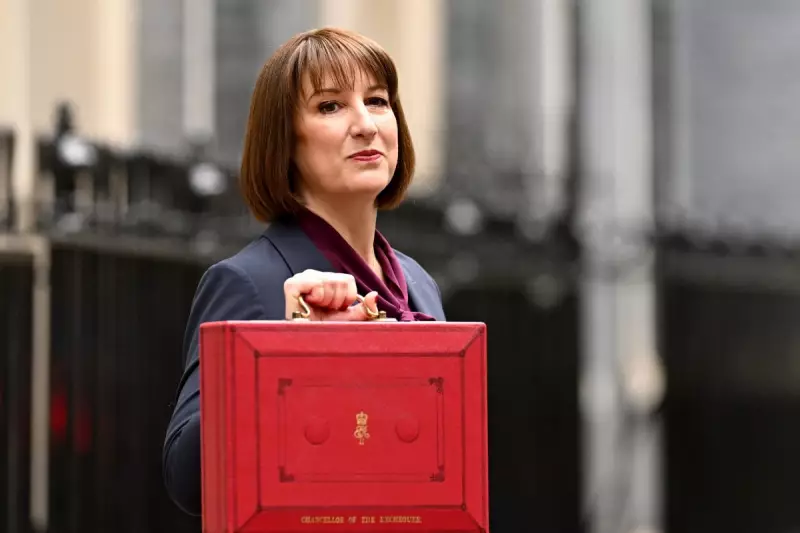
A significant rift has emerged within the Labour government as Chancellor Rachel Reeves is expected to break a key manifesto pledge by raising income tax in her forthcoming Autumn Budget on November 26. The controversy erupted after Reeves reportedly informed the Office for Budget Responsibility (OBR) of her intention, a move that directly contradicts Labour's pre-election promise not to increase taxes for 'working people'.
Internal Friction and a £30bn Fiscal Black Hole
The Chancellor's plan has caused immediate friction, with Labour’s new deputy leader, Lucy Powell, publicly stating that the government “should be following through” on its manifesto commitments. Powell warned that reneging on this promise would damage public “trust in politics” and create further problems for the Prime Minister and the Chancellor. This internal conflict comes as Reeves faces a £30bn fiscal black hole, with a previously announced buffer of £9.9bn having been quickly eroded.
How the Tax Changes Will Affect You
The proposed fiscal manoeuvre involves a 2p increase in income tax coupled with a 2p cut to national insurance. However, this NI reduction would only benefit individuals earning under £50,000, leaving pensioners and landlords facing a higher bill. Economists project the income tax hike could add nearly £6bn to Treasury coffers.
Analysis from Quilter highlights the stark impact on higher earners. Those with an income above £100,000£998 per year, while individuals earning over £125,000 would see their tax bill rise by £1,745 annually. The government's strategy appears designed to shield lower and median wage earners from an overall increase in their tax burden, fulfilling the letter, if not the spirit, of their manifesto wording.