Iran Conflict Renders UK Inflation Forecasts Obsolete Amid Gas Price Surge
The chancellor's spring statement, delivered just days ago, now appears dangerously outdated as escalating conflict in the Middle East sends shockwaves through global energy markets. Sky's Economics and Data Editor Ed Conway reveals that the government's economic projections were formulated before Iranian drone attacks began targeting oil and gas facilities in the Gulf region.
Unprecedented Gas Price Volatility
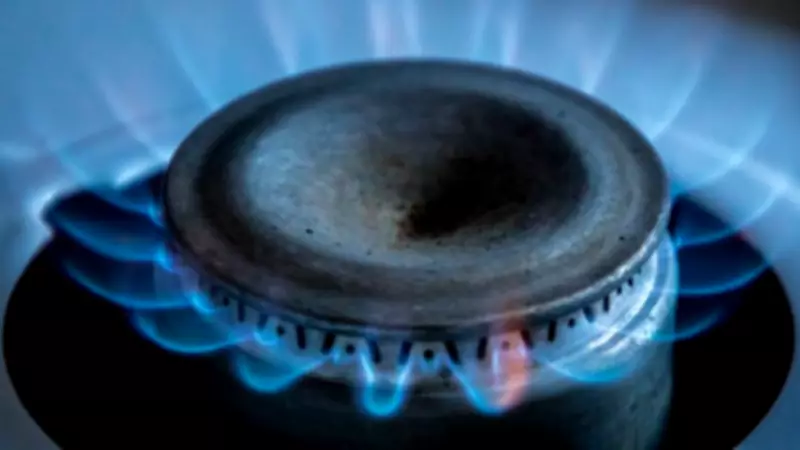
Over the past forty-eight hours, wholesale methane prices in the United Kingdom have experienced a doubling that surpasses even the most chaotic periods of the 2022 Ukraine war. This dramatic surge represents an unprecedented acceleration in energy costs that threatens to undermine Britain's fragile economic recovery.
Gas prices serve as the fundamental cornerstone of the UK's power infrastructure, directly influencing electricity costs, industrial production capabilities, chemical manufacturing processes, and indirectly affecting food prices and numerous other consumer goods. The current volatility therefore carries profound implications for the entire British economy.

Market Turmoil and Economic Consequences
The FTSE 100 has already shed approximately £100 billion in value as markets react to the developing crisis. While current gas prices remain below their 2022 peaks, the speed of this increase has no historical parallel. The duration of Middle Eastern hostilities represents the critical variable that will determine the ultimate economic impact.
Household energy bills, currently fixed until June with a £150 discount from previous budget measures, face potential dramatic increases when they reset in July to reflect wholesale market conditions. The timing could not be worse for consumers still recovering from the previous energy price shock that triggered widespread deindustrialization across Europe.
Forecasting Failures and Economic Reality
The Office for Budget Responsibility's latest economic forecast, presented alongside Chancellor Rachel Reeves's parliamentary appearance, paints an optimistic picture of inflation stabilizing at 2% for an extended period. However, this projection relies on assumptions documented on page 109 of the Spring Forecast report that now appear completely divorced from reality.
The OBR's gas price expectations, finalized just last week, assumed relatively stable energy costs. With current prices having "gone through the roof," as Conway describes, the foundational assumptions underpinning the government's inflation projections have become essentially worthless.
Uncertain Future and Potential Scenarios
While it remains premature to definitively predict the UK's economic trajectory, two distinct possibilities emerge. Gas prices could potentially retreat within weeks if Middle Eastern tensions ease, offering temporary relief to the British economy. Conversely, prolonged conflict might drive energy costs even higher, creating what Conway characterizes as "profound and somewhat grisly" implications for a nation still vulnerable from previous energy shocks.
The unfolding situation demonstrates how quickly international conflicts can undermine domestic economic planning, leaving policymakers scrambling to adjust their projections as new realities emerge. The coming weeks will reveal whether Britain faces another debilitating round of inflation or manages to navigate these turbulent energy markets with minimal economic damage.