Interest Rate Hike Bets Intensify Amid Bank of England Consultations
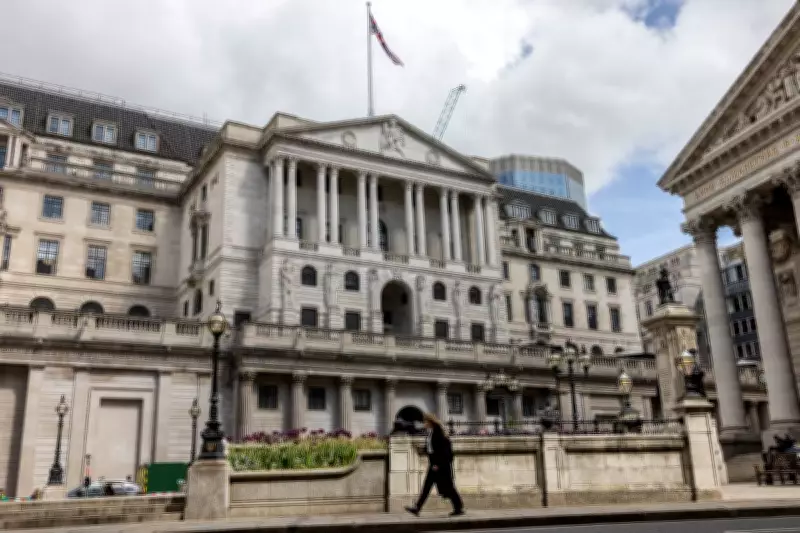
The financial markets are witnessing a significant shift in expectations as traders increasingly bet on interest rate hikes this year. This comes as Chancellor Rachel Reeves and Prime Minister Sir Keir Starmer have engaged in consultations with analysts at the Bank of England to closely monitor the economic impact of spiraling oil prices resulting from the escalating conflict in the Middle East.
Market Expectations and Oil Price Surge
Investors now believe there is a near 40 percent chance that interest rates will rise rather than fall by the end of the year, according to current market pricing. While the Bank of England is widely expected to leave interest rates unchanged in the immediate term, the implied rate derived from trading bets currently sits slightly above the existing 3.75 percent base rate.
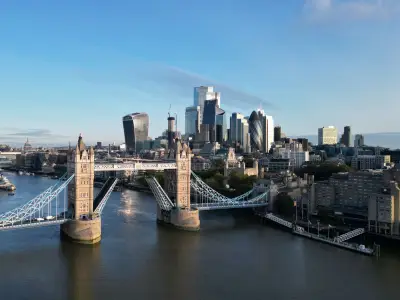
The dramatic escalation of Middle East tensions over the weekend has triggered alarm across both the City of London and government circles. The continued disruption of trade through the Strait of Hormuz, which facilitates approximately 20 percent of global crude oil shipments, has created significant supply concerns.

Oil prices surged nearly 30 percent overnight, reaching close to $120 per barrel before experiencing a slight retreat. This pullback followed news that G7 ministers were considering emergency measures to mitigate the supply shock.
Inflationary Pressures and Economic Analysis
Analysis from the Office for Budget Responsibility, which Treasury officials regularly consult, indicates that the current oil price surge could add a full percentage point to inflation. This development could potentially drive inflation to four percent, effectively doubling the Bank of England's target rate of two percent.
ING economist James Smith noted that the Bank of England remains particularly "sensitive" to higher inflation compared to other central banks. This heightened sensitivity stems from previous oversight issues during the price growth surge triggered by the Ukraine war in 2022.
"In a scenario where this conflict proves relatively short-lived—with disruption resolved within one to two months—and energy prices gradually decline again, it remains entirely possible we could see renewed rate cuts later this year," Smith explained. "However, the longer energy prices remain elevated, the higher inflation will peak and the less likely further rate cuts become."
Government Response and Economic Scrutiny
Prime Minister Starmer confirmed on Monday morning that Chancellor Reeves maintains daily communication with Bank of England Governor Andrew Bailey regarding the potential energy crisis. "The chancellor speaks to the governor of the Bank of England on a daily basis, assessing risks, monitoring developments, and coordinating with international partners to reduce the likely impact on people and businesses here," Starmer stated.
The government's economic plans are facing increased scrutiny as the conflict continues. Derek Lickorish, chairman of Utilita Energy, described the government's promise to reduce energy bills by £150 as a "white knuckle ride" given the current Middle East situation. "If you think back to 2022, we considered that a one-in-100-year event," Lickorish noted. "Now we've experienced a second major energy shock within just four years."
Despite the increased bets on rate hikes, market data overall suggests that analysts still believe interest rates will likely remain on hold for the remainder of the year. The current implied rate, while above the base rate, doesn't yet indicate that a majority of investors expect an actual increase.
Ben Caswell of the National Institute of Economic and Social Research suggested there could be "minimal pass through" from oil prices to inflation if the conflict concludes within months. He emphasized that "the Monetary Policy Committee will not have a knee-jerk reaction" and will instead approach their decisions with deliberate judgment.

The weakened jobs market could still potentially lead the Bank of England to ease interest rates later this year, according to some analysts. However, the duration of elevated energy prices will be the critical factor determining whether rate cuts materialize or if inflationary pressures force the Bank's hand toward tightening monetary policy.