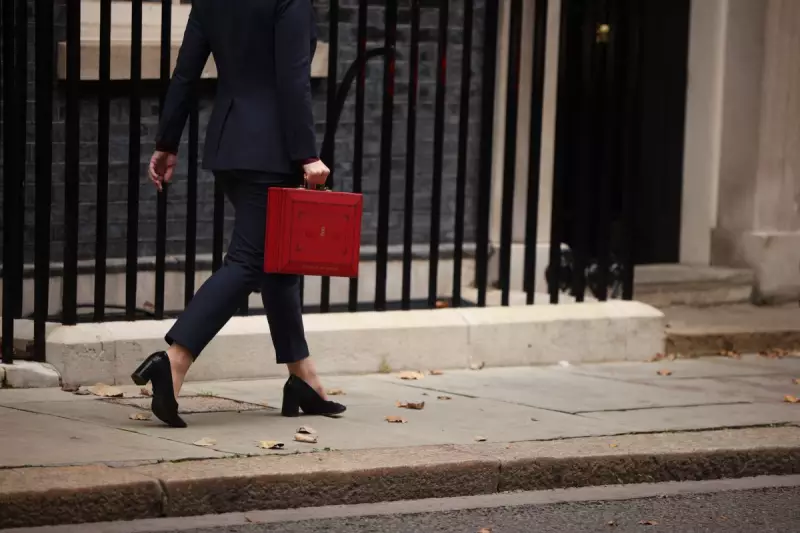
The Institute for Fiscal Studies (IFS) has issued a stark warning over Chancellor Rachel Reeves' first Budget, labelling key elements as 'fiscal fiction' and suggesting she may be forced to return for further tax rises before the next election.
'Heroic Restraint' on Spending
The influential think tank highlighted that a significant portion of the Chancellor's self-created fiscal headroom depends on what it called 'near heroic restraint' on departmental spending. Helen Miller, the IFS director, stated that the pledge to slash the annual rise in day-to-day spending from 1% to just 0.5% between 2028 and 2030 would be exceptionally difficult to achieve, despite it being a cornerstone of the Budget's arithmetic.
This planned reduction, intended to save around £4bn in 2029-30 by rooting out 'inefficiencies', represents a third of the fresh fiscal headroom Reeves has carved out. The headroom is designed to reassure bond markets and lower the risk of breaking her own fiscal rules, which would necessitate another tax-raising budget dangerously close to an election.

A 'Spend Now, Pay Later' Approach
Analysts have dubbed the strategy a 'spend now, pay later' Budget. Popular spending commitments, such as the £5bn decision to end the two-child benefit cap, are being implemented immediately. In contrast, the majority of the announced tax increases are deferred until 2028.
These delayed measures include a new 'mansion tax' on properties valued over £2 million and a major overhaul of electric vehicle taxation. This backloading of revenue-raising measures has created scepticism about whether they will ever be implemented, given they are scheduled to take effect just months before a likely general election.
Rachel Reeves's Budget has already pushed the UK's overall tax burden to a record high, generating an additional £22bn in annual revenue for the Treasury by 2030.
Market Reaction and Future Risks
Despite the IFS's grave warnings, the immediate market reaction to the Budget has been surprisingly muted. The interest rate on 10-year government gilts fell slightly, and sterling gained ground against the dollar. Economists suggest this calm is due to the Chancellor's enlarged £22bn fiscal headroom and the extensive pre-Budget leaking of its contents.
However, experts remain cautious. Richard Potts, an economist at Bondford, commented that rising taxes coupled with questionable spending discipline was 'unlikely to inspire confidence in the long-term.' Michael Brown of Pepperstone expressed deep doubt that such large tax hikes would be delivered on the eve of an election, calling the stability a 'headscratcher'.
The IFS concluded that the combination of promised future spending cuts and similarly delayed tax rises was reminiscent of the 'fiscal fictions of yesteryear', setting the stage for potential turbulence in UK government bonds and sterling if the plan's credibility erodes further.