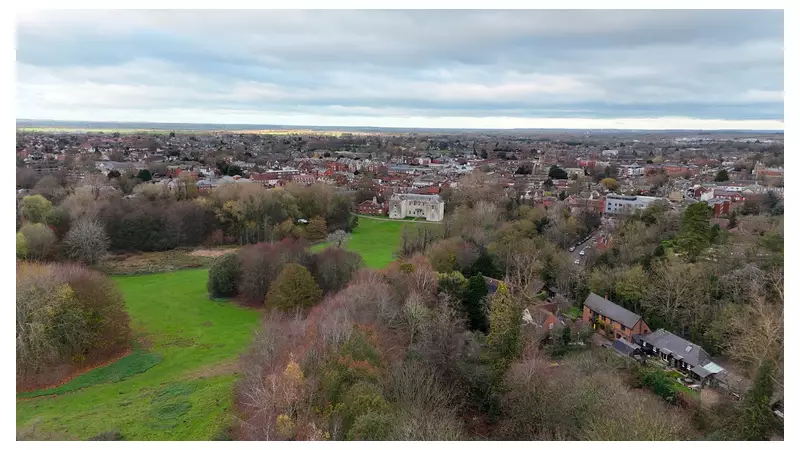
In the affluent market town of Hitchin, Hertfordshire, the political landscape shifted dramatically last summer. For the first time in over half a century, its 35,000 residents elected a Labour MP, turning away from the Conservatives. Now, with Chancellor Rachel Reeves's second budget unveiling a fresh wave of tax increases aimed squarely at higher earners, some of that hard-won trust is beginning to fray.
A Town of Prosperity Faces New Fiscal Realities
Hitchin is not a town accustomed to economic hardship. Nestled on the edge of the Chilterns and with a direct train line to central London just 30 minutes away, it consistently ranks as one of Britain's top ten best and top twenty happiest places to live. It also holds the less enviable title of the country's most expensive market town for first-time buyers. With above-average earnings, high employment, and a well-educated populace, Hitchin represented a key prize for Labour in its sweep of affluent southern constituencies.
Having secured their votes, the Labour government is now asking these communities to contribute more. While the first budget placed the burden of tax rises on business, the second budget unapologetically targets higher earners, including those in towns like Hitchin, through a combination of increased taxes on earnings and savings.
Voices from the Market Square: Ambition Meets Austerity
The central pitch from Rachel Reeves is that these tax rises are essential to reset the nation's public finances, support the NHS, and fund promised welfare increases. However, in Hitchin's Market Square, this message has been heard, but it is strikingly difficult to find people who believe this budget was designed for them.
Kai Walker, a 27-year-old entrepreneur, embodies the ambitious, working-class spirit the government might hope to champion. He runs Vantage Plumbing & Heating, a growing business that employs seven engineers, all earning over £45,000. Yet, he feels let down. He is disappointed that the VAT threshold was not reduced, making his firm "20% less competitive than smaller players".
His primary concern, however, is the continued freeze on income tax thresholds, which will drag some of his employees into the 40% tax bracket and take more from those already there. "It seems like the same thing year on end," Walker laments. "Work harder, pay more tax... I still don't think that it's fair." He concludes with a sense of resignation familiar to many: "Ultimately it's a case of we do what we're told."
New parents Jamie and Adele Hughes are also unconvinced. With a three-week-old baby, they feel the financial pinch. Adele expressed a common frustration: "We're going to be paying more, while other people are going to be getting more money and they're not going to be working. I don't think it's fair." Jamie highlighted the intergenerational challenge, stating that for his generation, achieving milestones like buying a house and starting a family is "extremely difficult."
Broader Economic Concerns in a Happy Town
The concerns extend beyond personal income. Liz Felstead, managing director of a local recruitment company, Essential Results, fears that the increase in the minimum wage will have an unintended consequence. "It's disincentivising employers to hire younger people," she argues. "If you have a choice between someone with five years experience or someone with none, and it's only £2,000 difference, you are going to choose the experience."
Despite Hitchin's reputation for affluence, the prolonged cost of living crisis has not passed it by entirely. Kim, who runs 'Kim's World of Toys' in the town market, sells refurbished toys at a fraction of their original price. She was surprised by the strong demand. "The way that it was received was a surprise to us... Some of the affluent people are struggling as well as those on lower incomes."
Amidst the discontent, some residents urge a broader perspective. Customer Joanne Levy, shopping for her grandchildren, called for more compassion for those who will benefit from the budget's spending plans, such as the elderly, the sick, and families with young children. "They are all struggling," she noted, "even if they're working they are struggling."
As the dust settles on Budget 2025, the mood in one of Britain's happiest towns is complex. The trust placed in Labour during the 2024 election is being tested by the cold, hard reality of tax rises, leaving many to wonder if the political change they voted for is costing them more than they anticipated.