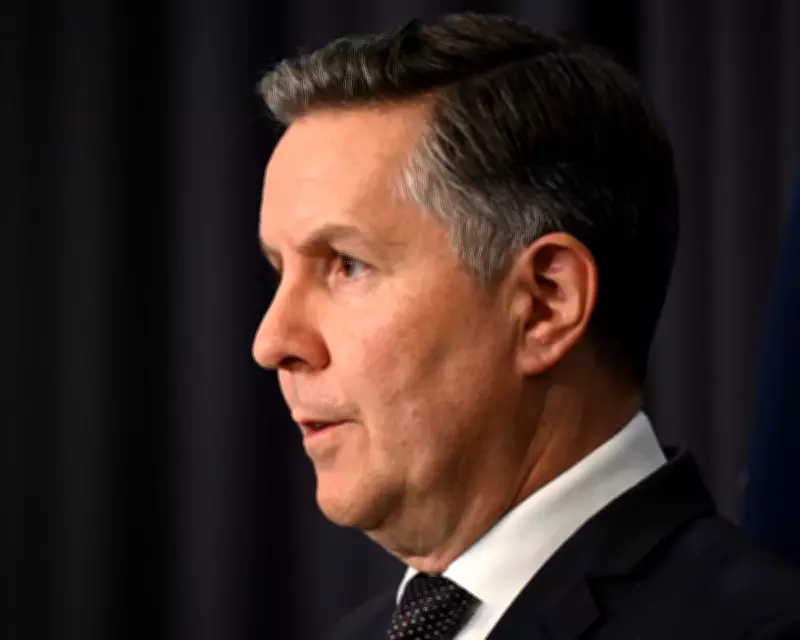
Health minister Mark Butler has confirmed the government will proceed with plans to reduce private health insurance rebates for Australians aged 65 and over, despite strong opposition from insurers and advocacy groups. The move, announced before last week's federal budget, will bring rebates for older Australians in line with those under 65, potentially increasing costs for about three million people by up to $250 per year and prompting an estimated 44,000 to drop their cover.
Expert Says Impact on Hospitals Will Be Minimal
Leading health economist Dr Stephen Duckett from the University of Melbourne described the policy as a wise move, predicting it will have almost no impact on the public health system. He noted that the projected 44,000 people who might abandon their insurance are spread across eight states and territories, making the effect imperceptible in overall statistics. Duckett added that previous modelling showed the original rebate, introduced by the Howard government in 2004, had little effect on private health insurance uptake among older Australians.
Government Justification and Savings
Butler announced the change on April 22 alongside major reforms to the National Disability Insurance Scheme. He argued that the current policy is unfair between generations, as two households with the same income receive different rebates based solely on age. The government expects to save $3 million over four years, which will be redirected to increasing aged care beds. Butler acknowledged the change is unwelcome for many older Australians but stressed the need to fund aged care services.

Concerns from Advocacy Groups and Insurers
The Council on the Ageing (Cota) expressed serious concerns about additional financial pressure on older Australians already struggling with rising living costs. CEO Patricia Sparrow noted that for many on fixed or modest incomes, every extra dollar matters. Dr Rachel David, CEO of Private Healthcare Australia, warned that older Australians might switch to cheaper policies with exclusions, only to discover they lack coverage when needing treatment. This could increase reliance on public hospitals, she said.
Economic Perspective
Duckett countered that using the savings to fund aged care beds is more cost-effective. He explained that patients stuck in public hospital beds for long periods—often 100 days—block capacity for other patients. Redirecting funds to aged care would improve the public hospital system's efficiency.