Chancellor Rachel Reeves has announced a significant shift in the UK's motoring taxation, confirming a new pay-per-mile charge for electric cars while extending the long-standing fuel duty freeze for a limited period.
The End of the Fuel Duty Freeze
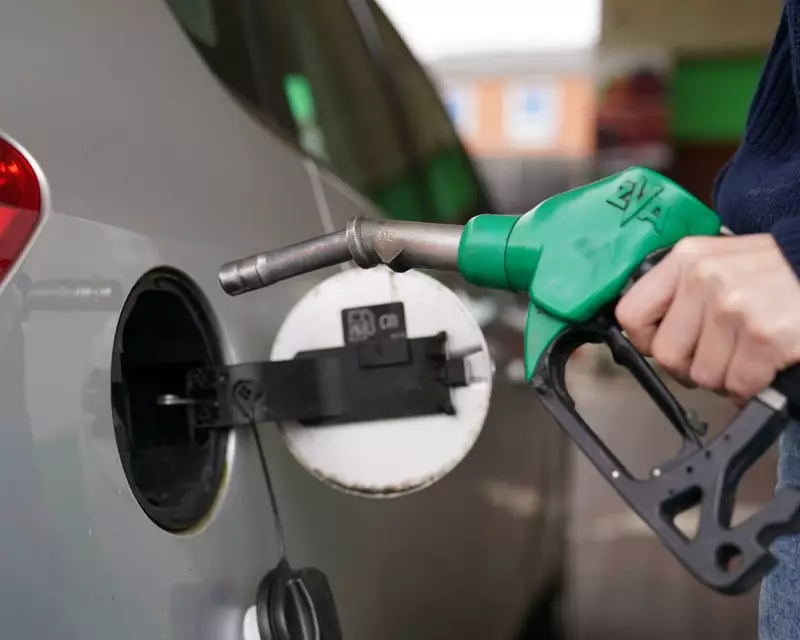
In her Budget statement, the Chancellor declared that fuel duty will be frozen in April at the current rate of 52.95p per litre for both petrol and diesel. This marks the sixteenth consecutive year without an increase. However, this freeze is only temporary.
From September 2026, the government will begin to reverse the 'temporary' 5p-per-litre cut that was originally introduced by Rishi Sunak. This reversal will be staged, gradually increasing the cost of fuel at the pumps.

A New Road Tax Era for Electric Vehicles
To ensure all drivers contribute to road maintenance, a new mileage-based levy for electric cars was confirmed. Starting in the 2028-29 tax year, fully electric vehicle owners will pay 3p for every mile they drive. For plug-in hybrid models, the rate will be set at 1.5p per mile.
This new Electric Vehicle Excise Duty will be payable alongside the standard road tax. Chancellor Reeves told the Commons, "I will ensure that drivers are taxed according to how much they drive and not just by the type of car they own."
The revenue raised is substantial, expected to generate £1.1 billion in 2028-29, rising to £1.9 billion by 2030-31. Reeves pledged that this income would help "double road maintenance funding in England over the course of this parliament."
Balancing the Transition to Electric Transport
The government's strategy appears to be a balancing act. The eventual rise in fuel duty is designed to maintain a cost differential between running traditional internal combustion engine vehicles and their electric counterparts, ensuring EVs remain an attractive option for motorists despite the new charge.
To further support the electric car industry, several incentives were announced:
- Increasing the threshold for the 'luxury car tax' to £50,000 for EVs.
- Providing an additional £1.3 billion in funding for the electric car grant, extending its availability to 2030.
- Accelerating the rollout of public EV charging points and offering exemptions from business rates for charging infrastructure.
However, some campaigners were disappointed that the Chancellor did not lower VAT on public charging to match the lower domestic electricity rates.
According to the Office for Budget Responsibility (OBR), the continued fuel duty freeze and its staggered reversal will have significant fiscal implications, costing the Treasury an extra £2.4 billion next year and £900 million annually thereafter. The OBR also noted that the policy will reduce the UK's CPI inflation by 0.1 percentage points.
Beyond motoring taxes, the Budget included other transport pledges, such as extending the £3 bus fare cap and freezing rail fares for the first time in three decades. A VAT loophole for many taxis outside London was also closed, a move described by Steve McNamara of the Licensed Taxi Drivers' Association as "a landmark moment for fairness and integrity in our industry."