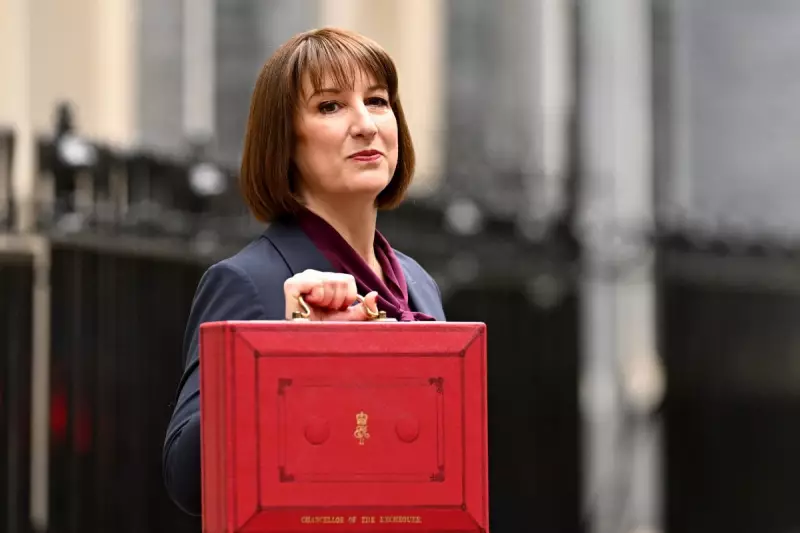
Chancellor Rachel Reeves prepares to unveil her second Budget today amidst growing concerns that fiscal rules have transformed Britain's economic management into what critics describe as an expensive pantomime.
The Broken Promise of Fiscal Discipline
When Gordon Brown first introduced fiscal rules in the late 1990s, they were intended to eliminate short-term thinking in economic policy. Yet despite nearly three decades of various fiscal frameworks, public debt has surged from under 40 percent to nearly 100 percent of GDP.
A startling pattern emerges from historical data: of the 54 medium-term forecasts made between 1990 and 2019, not a single one saw actual spending come in below projections. Successive governments have consistently overspent by an average of 3.5 percent of GDP - equivalent to approximately £100 billion in today's money.

Why Fiscal Rules Consistently Fail
A recent Centre for Policy Studies report identifies several fundamental flaws in the current system. The rules encourage governments to spend freely during prosperous years without building adequate buffers for economic downturns.
The Treasury theoretically should repay debt during strong economic periods and borrow only during recessions. In reality, even during ordinary years, governments have consistently overspent, leaving Britain financially exposed when crises inevitably occur.
Another critical weakness involves the built-in incentive to postpone difficult decisions. Chancellors face targets set "four years from now," creating a perpetual cycle where deadlines remain distant enough to be reset before becoming relevant. The system prioritises promises over actual delivery.
Rachel Reeves's own numbers illustrate this problem perfectly. Her plan assumes day-to-day departmental spending will slow to just one percent real growth by 2028, while the NHS receives guaranteed three percent annual increases. Achieving these figures would require austerity measures that no recent government has demonstrated the political courage to implement.
The Forecasting Fallacy and Better Alternatives
The accuracy of long-term economic forecasting remains highly questionable. The Office for Budget Responsibility and its predecessors have consistently underestimated both the size of the state and debt trajectory, yet budgets pivot on minute changes in their spreadsheets.
This became painfully evident during the April 2025 Spring Statement, when Reeves introduced welfare changes seemingly designed to restore precisely the amount of "headroom" she possessed before OBR revisions. Observers noted the farcical nature of weeks of political theatre over £14 billion of projected spending changes five years into the future.
Other nations demonstrate superior approaches. New Zealand has transitioned from rigid numerical targets toward broader fiscal objectives that require governments to consider spending, debt, revenue and net worth in an integrated, long-term manner.
Switzerland's constitutional "debt brake" provides another model, capping spending in line with expected revenue over economic cycles. This approach forces governments to run surpluses during prosperous years and repay borrowing from difficult periods, resulting in one of the most stable fiscal records in the developed world.
Ultimately, Britain's problem isn't inadequate rules but insufficient accountability. Chancellors continue announcing targets they quietly abandon later. Until this culture changes, every supposedly responsible budget will remain what it has become: a very expensive pantomime that future generations will ultimately pay for.