As the UK government grapples with the need to raise taxes and cut spending, a coalition of former senior ministers and policy experts is urging a radical shift in approach. They argue that the debate has overlooked a critical solution: making far better use of existing public money.
The Case for Smarter Spending
In a significant intervention, former permanent secretary Michael Bichard and ex-secretary of state John Denham, alongside former Treasury minister Liam Byrne and former director Helen Bailey, have called for a revival of 'place-based' budgets. They contend that vast sums are currently wasted because public services remain fragmented, working in isolated silos rather than collaborating around the needs of individuals and communities.
The group pointed to the success of the Total Place pilots run between 2009 and 2010. These initiatives demonstrated that when local service leaders were empowered by Whitehall to work across traditional budgetary and service boundaries, they could achieve dramatically better outcomes without requiring additional funding. The central problem, they identify, is that too much money is spent on reacting to crises, and not enough is invested in preventing them in the first place.

The Tax Conundrum and the Vision Deficit
Separately, Dan Goss, a researcher at the think tank Demos, addressed the contentious issue of taxation. His research indicates that an increase in income tax could be made publicly acceptable if introduced alongside pragmatic taxes on wealth. He notes that reforms designed to create a fairer system, such as the recently announced partnership tax, garner support from voters across the political spectrum.
However, Goss identifies a fundamental failure at the heart of government strategy. "It's the lack of a positive vision that lets this government down," he states. The public, he argues, will not support tax increases if the government remains hesitant and fails to articulate a compelling case for them. He sees the upcoming budget as a pivotal opportunity for the Chancellor to change Britain's political narrative by offering a new deal between the citizen and the state, founded on principles of fairness and mutual contribution.
A Political Hokey Cokey
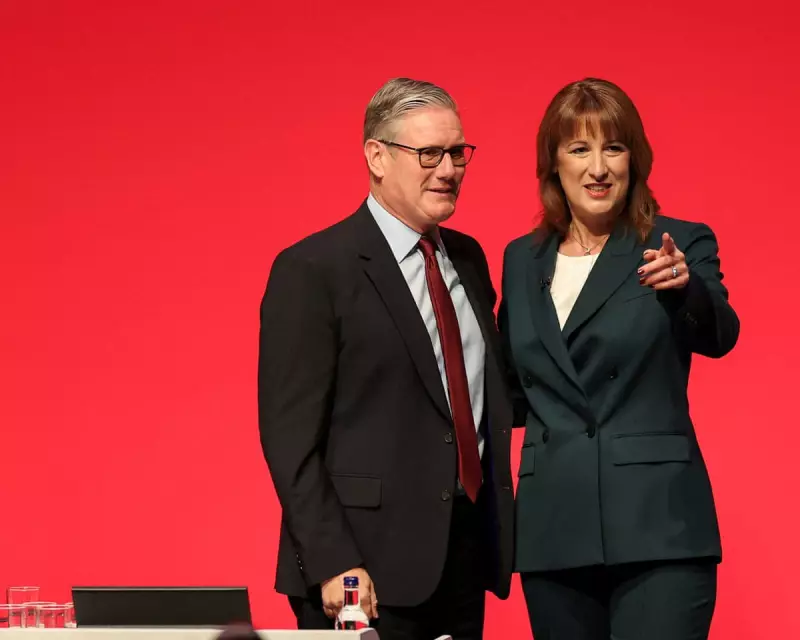
Adding a dose of political satire, reader Jol Miskin from Sheffield commented on Shadow Chancellor Rachel Reeves reportedly ruling out income tax hikes. Miskin quipped that given her apparent U-turn, Reeves should appear on Strictly Come Dancing, as she would surely perform a 'mean hokey cokey'. This remark underscores the perceived political manoeuvring and lack of clear direction that critics associate with the current fiscal debate.
The consensus from these diverse voices is clear: solving the UK's public finance crisis requires more than just tax rises and spending cuts. It demands a fundamental reorganisation of how services are delivered, backed by a bold, positive vision that can win public trust.