A former top economist at the Bank of England has issued a stark warning, stating that the government's 'repeated mistakes' are actively harming the UK's economic prospects in the lead-up to the crucial Budget 2025.
'A bad hand played poorly'
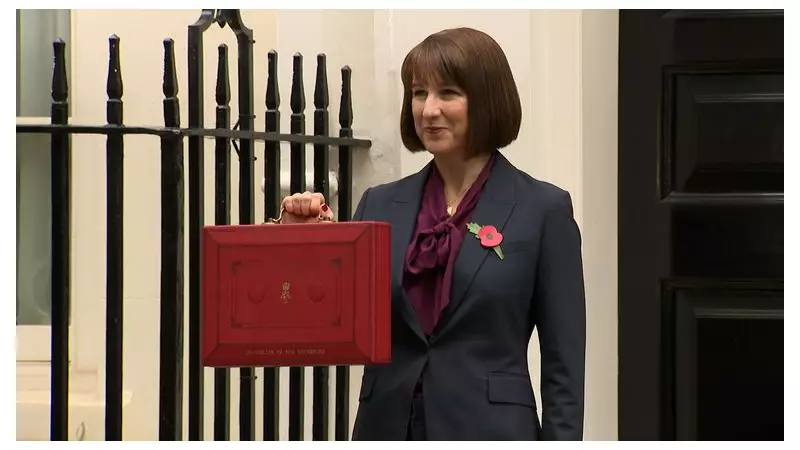
Andy Haldane, who served as the Bank's chief economist and spent seven years on its interest rate-setting committee, told Sky News that the protracted and leak-filled budget process has become a source of significant economic self-harm. He described Chancellor Rachel Reeves's stewardship of the economy by saying, "It's been a bad hand played, in truth, pretty poorly."
Mr Haldane specifically criticised the 'black hole narrative' surrounding the public finances, which he said has dominated the build-up to both this budget and the chancellor's first speech in October. "Sucking all life or energy and light from the economy, has been a mistake repeated this time as well," he stated during an appearance on Mornings with Ridge and Frost.

Economic data points to trouble
The criticism comes on the back of concerning official data released last week. The Office for National Statistics (ONS) reported that the UK's unemployment rate has climbed to 5%, a level not witnessed since the COVID-19 pandemic, and higher than economists had predicted.
Furthermore, economic growth for the third quarter of the year was weaker than forecast, slowing to just 0.1%. Haldane draws a direct line between this economic stagnation and the anxiety generated by the budget speculation.
"If you speak to businesses, speak to consumers, their fearfulness about where the axe will fall is causing them, not unreasonably, to save rather than spend, to not put their balance sheet to work and that has taken the legs from beneath growth in the economy," he explained.
Call for a new budgetary process
When questioned on whether this damaging situation was inevitable, Haldane was clear: the problem lies with the process itself. He argued that the 'elongated and far too leaky' pre-budget period, filled with daily speculation about tax rises, must be fundamentally changed.
"We need to re-engineer that process to either make it watertight, like the Bank of England's monetary policy decisions or a genuinely open consultation," Haldane asserted. "Right now, we have this halfway house of leaks and speculation which serves absolutely no one. Least of all the economy."
His remarks follow a conspicuous U-turn from the Treasury last Friday, where sources appeared to rule out a manifesto-breaking hike to income tax, a move that had been hinted at by the chancellor just weeks earlier. Treasury insiders attributed this shift to more favourable forecasts from the Office for Budget Responsibility.