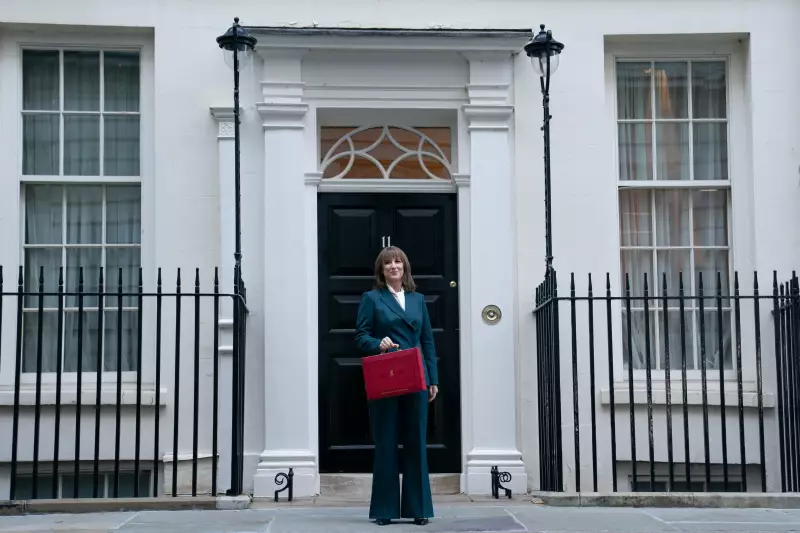
In a significant move for UK investors, Chancellor Rachel Reeves is set to increase taxes on dividends from April 2026. This decision, revealed in a leak from the Office for Budget Responsibility, is expected to generate substantial revenue for the Treasury but has drawn criticism for potentially discouraging investment in the UK stock market.
What the Dividend Tax Changes Mean for You
The new rates will see a two percentage point increase applied to both basic and higher rate taxpayers. From April 2026, basic rate taxpayers, those with incomes between £12,571 and £50,270, will see their dividend tax rate jump to 10.75 per cent, up from the current 8.75 per cent.
For higher rate taxpayers earning between £50,271 and £125,140, the charge will rise sharply to 37.75 per cent, a significant increase from the existing 33.75 per cent. The rate for additional rate taxpayers will remain at 39.35 per cent.

This is not the first recent increase; the Conservative government previously raised dividend tax by 1.25 percentage points back in 2022. The latest hikes are projected to yield an average of £1.2bn a year from the 2027-2028 financial year.
Industry Backlash and Investor Concerns
The tax rise comes after think tank The Resolution Foundation advocated for an even larger increase, suggesting the basic rate was "low by any standard" compared to international norms like Ireland's 20 per cent or Denmark's flat 27 per cent rate. However, the government stopped short of such a drastic measure, fearing a disproportionate impact on low earners and pensioners.
Wealth managers and financial experts have voiced strong opposition. Jason Hollands, Managing Director at Evelyn Partners, stated: "The last thing the UK really needs right now is more tax on investment and entrepreneurship." He emphasised that while business owners are a primary target, the change will affect anyone holding income-generating shares outside of tax-protected wrappers, especially with the annual dividend allowance now cut to a mere £500.
Sarah Coles, Head of Personal Finance at Hargreaves Lansdown, warned that this "tax attack on dividends" contradicts the government's aim to encourage UK equity investment. She cautioned it could persuade investors to look overseas or be put off investing entirely, potentially undermining the positive impact of the recently announced stamp duty holiday on share purchases.
How to Protect Your Investment Income
With the changes coming into force, investors are urged to take proactive steps to shield their earnings. The most effective method is to utilise tax-free wrappers like Stocks and Shares ISAs and pensions.
Dividends accumulated within a pension are free from both dividend and capital gains tax and do not consume any of the £500 annual allowance. The main drawback is that funds are typically inaccessible until age 55. Conversely, a Stocks and Shares ISA offers immediate tax sheltering on dividends for investments up to the £20,000 annual allowance, providing a flexible and efficient way to protect investment income from the impending tax raid.