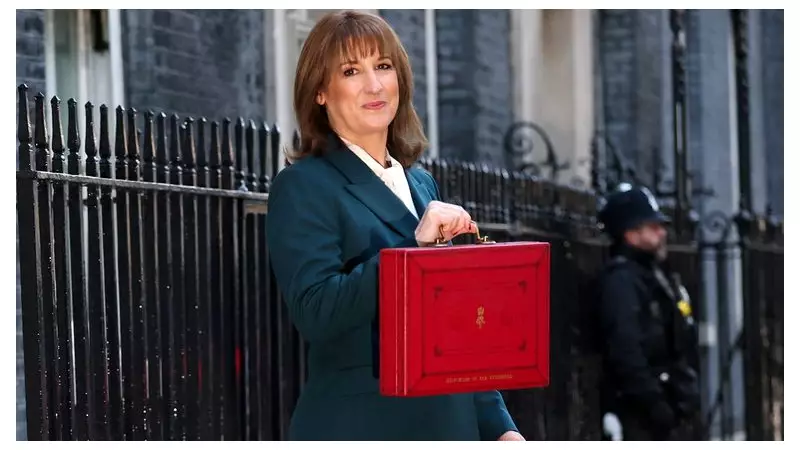
Chancellor Rachel Reeves has acknowledged she is asking ordinary people to pay more in taxes after unveiling a budget that includes £26 billion worth of tax increases, while also scrapping the controversial two-child benefit cap in a major victory for Labour MPs.
Budget Details Released Early in Unprecedented Blunder
The chancellor delivered her fiscal statement under significant pressure after the Office for Budget Responsibility accidentally published the details ahead of schedule. This marked an unprecedented breach of budget protocol that overshadowed the day's announcements.
Ms Reeves told Sky News political editor Beth Rigby that she recognises she is "asking ordinary people to pay a little bit more" but emphasised she had "managed to keep that contribution as low as I possibly can" by targeting wealthier individuals and closing tax loopholes.

Key Tax Measures and Spending Changes
The budget package contains several significant tax measures that will affect millions of Britons. The freeze on personal income tax thresholds has been extended for three years, a move expected to raise £8 billion by 2029-30 and drag approximately 1.7 million people into higher tax bands.
Other notable tax changes include:
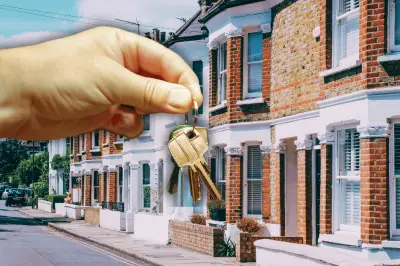
- A new "mansion tax" on properties valued over £2 million, expected to raise £0.4 billion
- National insurance charges on salary-sacrificed pension contributions above £2,000, projected to generate £4.7 billion
- Increased tax rates on dividends, property and savings income by two percentage points, raising £2.1 billion
- New taxes on the gambling industry to raise over £1 billion
- A mileage tax for electric vehicles starting in April 2028
In significant spending changes, the two-child benefit cap will be eliminated from April at a cost of £3 billion by 2029-30. Overall spending is set to increase by £11 billion by this date, with substantial funding directed toward welfare policy reversals.
Political Fallout and Reactions
The chancellor faced immediate political pressure over the tax increases, particularly after twice refusing to confirm whether she had broken Labour's manifesto pledge not to raise income tax, national insurance or VAT.
Conservative leader Kemi Badenoch described the budget as a "total humiliation" for Ms Reeves, noting that the chancellor had previously promised her £40 billion tax-raising budget last year would be a "once-in-a-parliament" event.
However, Labour MPs responded positively to the announcements. Patrick Hurley, Labour MP for Southport, called the package "much stronger than I was expecting" and praised the moves on child poverty, gambling taxes and mansion taxes.
John McDonnell, veteran left-wing MP, acknowledged that removing the two-child cap represented a "major win" but argued that the tax increases on wealth didn't go far enough and that living standards would remain "at a standstill."
The OBR projections indicate these measures will push the UK's tax burden to a record high of 38% of GDP by 2030-31, creating challenging economic conditions for the government as it attempts to balance fiscal responsibility with its social policy objectives.