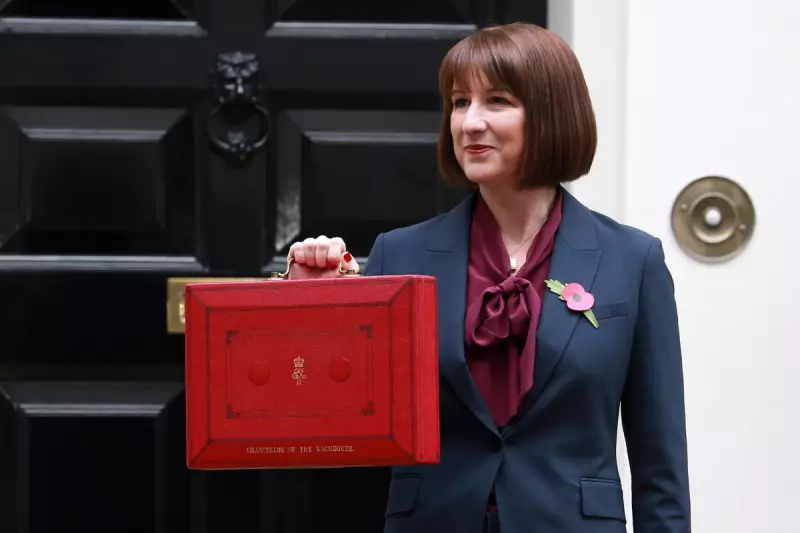
Chancellor of the Exchequer Rachel Reeves has declared that stability has been restored to the British economy, pointing to a significant and sustained reduction in interest rates as proof of the government's successful stewardship.
A Sustained Shift in Monetary Policy
The Bank of England has now implemented its sixth consecutive interest rate cut since the general election, bringing the base rate down to 3.75 per cent. This marks the fastest pace of monetary easing in 17 years. The Chancellor emphasised that this decisive action is a direct result of the government's policy choices, not mere chance.
Inflation has also continued its downward trajectory, falling to 3.2 per cent, a figure that undershoots the Bank's own previous forecasts. Reeves stated this combination of falling inflation and borrowing costs provides the certainty that both households and businesses have been craving to plan for the future.

Tangible Benefits for Households and Firms
The impact on family finances is already being felt. According to Treasury analysis, a homeowner taking out a new £215,000 fixed-rate mortgage in October 2025 is now paying around £100 less each month compared to the cost at the time of the June 2024 election. This translates to an annual saving of £1,200, money that is returning to people's pockets.
For small and medium-sized enterprises (SMEs), the environment for investment is improving. A £10,000 business loan secured in October now carries approximately £134 less in annual interest than an identical loan taken in July 2024. While modest for a single firm, this reduction across thousands of businesses represents a significant boost to their capacity for expansion, innovation, and job creation.
Unlocking Long-Term Growth and Investment
Reeves argued that lower interest rates are key to unlocking the private investment needed to transform the UK into a higher-growth, higher-productivity economy. She highlighted specific Budget measures designed to accelerate this shift, including a major expansion of enterprise tax incentives to help fast-growing startups scale up in the UK.
Other pro-business policies cited were a new three-year stamp duty holiday for firms that list in the UK and maintaining the lowest rate of corporation tax in the G7. The Chancellor's Budget is also forecast by the Office for Budget Responsibility (OBR) to reduce Consumer Prices Index (CPI) inflation by 0.4 percentage points next financial year—the largest near-term fall in inflation ever forecast by the OBR from a single fiscal event outside a crisis period.
"Stability is not a slogan; it is the foundation of growth," Reeves asserted. "Cheaper mortgages support demand. Cheaper loans support investment. A credible framework for fiscal and monetary policy supports both."
The Chancellor concluded by framing the government's mission as one of raising living standards and cutting business costs through a stable, long-term plan. The immediate task, she said, is to convert lower inflation and falling borrowing costs into sustained investment, higher productivity, and a stronger economy for the coming decade.