Chancellor faces criticism over Budget transparency
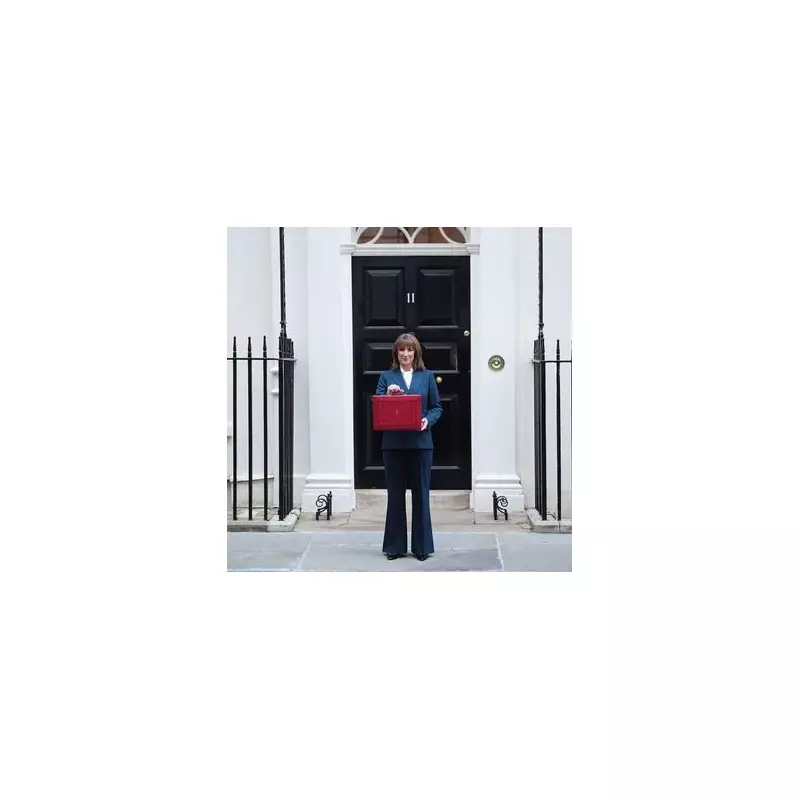
Chancellor Rachel Reeves has firmly defended her handling of the recent Budget amid growing criticism from opposition figures who claim she misled the public about the scale of the financial challenges facing the government.
The controversy centres on claims that Reeves presented an overly pessimistic view of the public finances before revealing a £4.2 billion surplus against her borrowing rules in the final Budget announcement.
Defending the fiscal approach
In a series of media interviews on Sunday morning, the Chancellor directly addressed accusations that she had not been truthful with the British public about the economic situation.

"Anyone who thinks that there was no repair job to be done on the public finances, I just don't accept that," Reeves told broadcasters. She emphasised the need to build "more resilience, more headroom into our economy" while maintaining investment in key public services.
The Chancellor pointed out that the £4.2 billion figure would have represented the lowest headroom any chancellor had secured against their fiscal rules, making additional measures necessary.
The OBR forecast controversy
Pre-Budget speculation had suggested a significant gap in spending plans, partly driven by expected productivity forecast downgrades from the Office for Budget Responsibility. Reeves herself contributed to this narrative in a November 4 Downing Street speech, warning that weaker productivity would mean "lower tax receipts."
While the OBR did deliver a productivity downgrade that wiped £16 billion off expected tax receipts, this was largely offset by inflation and higher wage growth, resulting in the £4.2 billion surplus.
Conservative leader Kemi Badenoch has been particularly vocal in her criticism, telling the BBC's Sunday With Laura Kuenssberg programme that Reeves should resign over her comments.
"The Chancellor called an emergency press conference telling everyone about how terrible the state of the finances were and now we have seen that the OBR had told her the complete opposite," Badenoch claimed.
Welfare reforms and future plans
Reeves also defended her decision to abolish the two-child benefit cap, stating the Government was "choosing children" and that the move would help approximately 450,000 children escape poverty.
The Chancellor argued that without the productivity downgrade, she would have had £20 billion of headroom available, excluding funds needed for welfare decisions.
Prime Minister Sir Keir Starmer is expected to support both the Budget and his Chancellor in a speech on Monday, where he will outline long-term growth plans and state that "economic growth is beating the forecasts."
The political fallout continues as both the Conservatives and SNP have written to the Financial Conduct Authority requesting an investigation into policy leaks and the Chancellor's pre-Budget comments.