Budget's Hidden Tax Break for Ultra-Wealthy Former Non-Doms
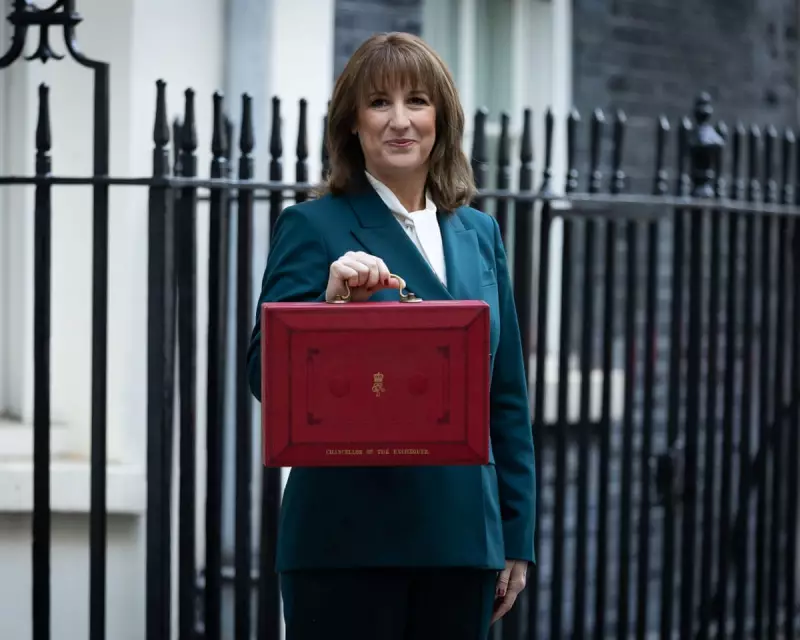
Chancellor Rachel Reeves has introduced a significant tax break for wealthy former non-doms within the small print of her recent budget, creating a cap that dramatically reduces potential inheritance tax bills for the super-rich.
The measure specifically targets how much inheritance tax this group must pay on their global wealth held in trust structures. When the chancellor abolished the non-dom status in last autumn's budget, she brought their offshore trusts under the same regime as ordinary taxpayers.
The £5 Million Cap Explained
Under the new rules announced on Wednesday, the chancellor has implemented a £5 million cap on how much inheritance tax can be levied every decade on non-dom offshore trusts created before the status was abolished. This represents a substantial saving for those with the largest trust holdings.

Financial experts have calculated that this change will only benefit individuals worth more than £83 million, highlighting how targeted the measure is toward the ultra-wealthy. The Treasury estimates the change will cost the exchequer approximately £30 million, though several tax advisers consider this figure likely too low given the enormous values contained within some trusts that could benefit.
Expert Reactions and Economic Implications
Professor Arun Advani, director of the Centre for the Analysis of Taxation and economics professor at the University of Warwick, commented: "Non-doms who wanted to leave will already have done so. This cap, which only benefits those with more than £83m in trust, is a giveaway to the tiny number of former non-doms who already revealed they didn't actually want to go."
Several tax advisers noted that most high net worth individuals put off by the removal of non-dom status have likely already left the UK, potentially moving their trusts beyond the scope of UK taxation. One adviser suggested there "could be a strong argument" that the new residency regime should be more generous on inheritance tax to keep offshore trusts out of scope entirely.
A Treasury source defended the measure, stating: "This cap encourages ultra-high net worth individuals to remain in the UK and continue to contribute via economic and tax contributions." The Office for Budget Responsibility estimates that scrapping most non-dom benefits raises about £117 million per year on average up to 2030, though this figure remains uncertain.
The debate continues as to whether this targeted tax break will achieve its stated purpose of retaining ultra-wealthy individuals in the UK or simply represents an unnecessary concession to those who had already decided to stay.