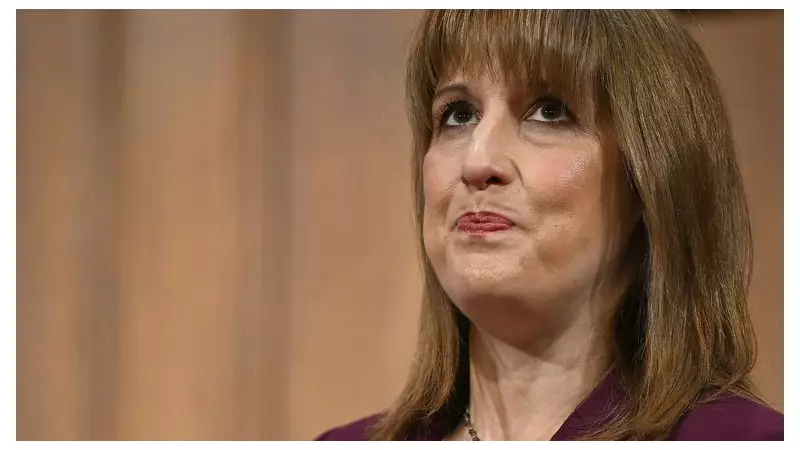
Chancellor Rachel Reeves is preparing to significantly overhaul pension tax rules in the upcoming budget, with reports indicating a major reduction in tax breaks for salary sacrifice schemes.
What Changes Are Coming?
The Treasury plans to introduce a £2,000 annual cap on tax-free salary sacrifice arrangements that currently allow workers to make pension contributions without paying national insurance. Under the proposed changes, employees contributing more than this threshold would face standard NI rates of 8% for earnings below £50,000 and 2% for higher earners.
This reform would also impact businesses by limiting an existing exemption that currently allows companies to avoid paying the 15% employer national insurance tax on cash directed into workers' pension pots through salary sacrifice arrangements.

Financial Impact on Workers and Employers
According to analysis by accountancy firm RSM, the changes would hit high earners particularly hard. A person earning over £125,000 who sacrifices 20% of their salary could pay £460 more annually, while their employer might face an additional £3,450 in costs.
Those on more modest incomes would see smaller increases. An employee earning £45,000 and sacrificing 5% would pay approximately £30 more per year, with their employer contributing an extra £34.
The changes are expected to most affect individuals earning between £100,000 and £125,140, who often use salary sacrifice schemes to avoid the 60% marginal tax rate and maintain valuable child benefit entitlements.
Broader Implications
This move represents a significant departure from manifesto pledges on tax, with Rachel Reeves effectively acknowledging the need to break previous commitments. The timing, announced for Monday 10 November 2025, suggests the government is prioritising revenue generation amid ongoing economic pressures.
The restructuring of pension tax incentives marks one of the most substantial changes to retirement savings in recent years and could alter how both employees and employers approach pension planning going forward.