Budget Chaos as Full OBR Assessment Leaks Prematurely
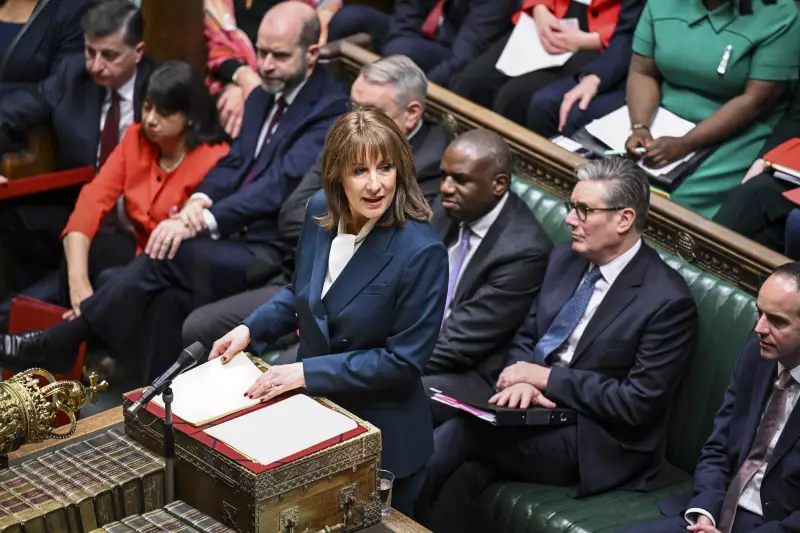
In an unprecedented parliamentary breach, the Office for Budget Responsibility's complete assessment of Chancellor Rachel Reeves' Budget was accidentally published at 11:44am on Wednesday 26th November 2025, just forty-five minutes before she was due to deliver her statement to the House of Commons. The leak occurred merely ten minutes before Prime Minister's Questions, creating extraordinary scenes across Westminster.
Newsrooms and financial trading floors scrambled to download and print the documents, while MPs were already reading the detailed analysis on their phones as the Prime Minister informed Parliament that 'the Budget will be published in half an hour'. The Chancellor's subsequent delivery to the Commons became largely ceremonial, with the crucial details already circulating widely.
What the Leaked Budget Reveals About Britain's Economic Direction
The leaked documents expose a fundamental shift in Britain's economic policy, centred on substantial tax increases to fund expanded welfare commitments. Over £25 billion in fresh tax hikes will push the UK's tax burden to a new record peak, reaching 38.3% of GDP by 2030/31 according to OBR projections.

The controversial freeze on income tax thresholds will drag nearly 800,000 additional people into the basic rate tax bracket and force over 900,000 more taxpayers into the higher rate band. The Budget also implements raids on pension arrangements and dividend payments, significantly impacting investors and savers across the country.
Economic Consequences and Expert Analysis
In exchange for this substantial tax raising programme, welfare spending is projected to surge by more than £70 billion, reaching £406 billion annually by 2031. Meanwhile, living standards - the metric by which Prime Minister Keir Starmer has asked to be judged - are forecast to essentially flatline throughout this period.
The OBR notes with characteristic understatement that such tax levels could 'distort or constrain economic activity by more than expected'. Daniel Casali, Chief Investment Strategist at wealth management firm Evelyn Partners, provided stark analysis: 'Higher taxes risk dampening consumer spending, discouraging investment, and ultimately slowing the economy.'
This Budget represents a decisive turn toward what critics are calling a '20 mile per hour economy' - a sustained period of restrained growth and limited economic dynamism. After years of flirting with economic underperformance, the government has now firmly committed to a path of higher taxation and expanded state spending, with significant consequences for British households and businesses.