Chancellor Rachel Reeves is preparing to deal a significant blow to Britain's gambling industry in next week's budget, with expected tax increases that could cost operators between £1 billion and £3 billion annually.
The Tax Proposals Explained
The Treasury has been consulting on harmonising gambling tax rates, though most observers believe this approach won't be adopted. Instead, two influential think tanks have proposed substantial increases. The Institute for Public Policy Research (IPPR) recommends raising all rates to generate £3.2 billion, while the Social Market Foundation (SMF) suggests changes that would yield £2 billion.
Both organisations propose more than doubling the remote gaming duty (RGD) from its current 21% to 50%. This tax applies to online games of chance and represents the largest revenue source among gambling duties. Former Prime Minister Gordon Brown has thrown his weight behind the IPPR's proposal, suggesting the additional revenue could fund the removal of the two-child benefit cap.

Industry Backlash and Warnings
Gambling companies are fighting back with dire predictions about the consequences of significant tax hikes. The Betting and Gaming Council (BGC) commissioned a report from EY that suggests the IPPR's proposal could lead to 40,000 job losses and cost the UK economy £3 billion annually.
In perhaps the most dramatic warning, Betfred owner Fred Done claims he would be forced to close all 1,287 of his betting shops, resulting in 7,500 job losses. The industry argues that higher taxes will drive customers toward unregulated black market operators who don't implement safer gambling measures.
However, these warnings are being met with scepticism in some quarters. MPs on the Treasury select committee have accused the industry of "scaremongering", pointing to previous exaggerated predictions about the impact of fixed-odds betting terminal restrictions in 2018.
The Illicit Market Threat
Analysts acknowledge there is some validity to concerns about the black market. Alun Bowden of Eilers & Krejcik Gaming explains that higher taxes would likely force operators to reduce customer bonuses and promotions, as these "free" bets still incur tax liabilities when customers lose.
Illicit operators, unburdened by tax obligations, could maintain or even increase their bonus offers, creating an uneven playing field. Bowden suggests there is a tipping point between 35% and 40% for RGD where profitability could be severely impacted or eliminated entirely.
The horse racing industry also faces collateral damage, as it relies heavily on income from bookmakers through media rights deals and the racing levy, worth approximately £100 million annually. While some racing representatives have suggested they'd accept higher taxes on online casino games if betting shops were spared, bookmakers argue the two sectors are financially interconnected.
Political Lobbying and Media Campaigns
The industry has mounted an intense lobbying effort, including hosting Labour staffers at darts-themed events and leveraging personal connections. BGC chair Michael Dugher boasts a close friendship with Rachel Reeves, though sources close to the chancellor deny any formal meetings about the tax changes.
Media outlets have joined the fray, with The Sun running a front-page campaign headlined "Save Our Bets" urging Reeves to shelve the crackdown. The newspaper's commercial interests in gambling through its Sun Bingo partnership, which generated €78.9 million last year, have raised questions about its editorial stance.
Expected Outcome
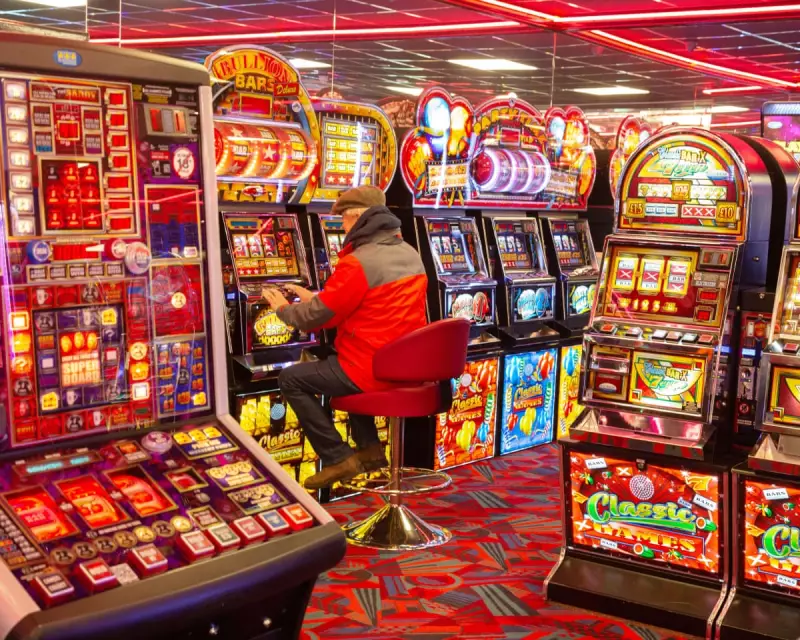
Westminster and industry insiders suggest the Treasury will likely pursue a middle ground, raising between £1 billion and £2 billion without triggering massive job losses. Most increases are expected to target remote gaming duty, given public concerns about online casino and slot machine games.
To raise an additional £1 billion without increasing general betting duty, both RGD and machine games duty would need to rise by more than 10 percentage points each. The final decision will reveal how far the chancellor believes she can push the industry without causing the catastrophic consequences operators predict.