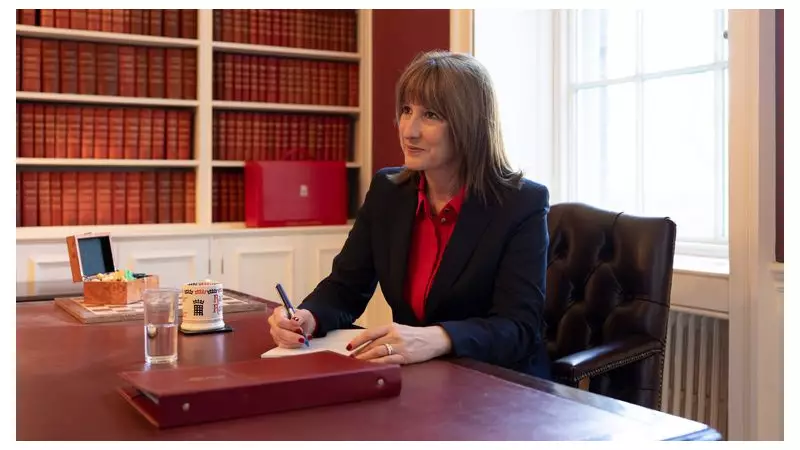
Chancellor Rachel Reeves is set to deliver a Budget defined by its stark contrasts, vowing to push forward with an ambitious growth agenda while simultaneously unveiling a 'smorgasbord' of tax rises to address a significant hole in the UK's public finances.
In her statement ahead of the announcement, Ms Reeves pledged to 'take the fair and necessary choices', committing to avoid a return to austerity and instead take action to support families with the persistent cost of living. She has promised the 'biggest drive for growth in a generation', targeting investment in critical areas such as infrastructure, housing, and education.
A Fiscal Squeeze: The 'Smorgasbord' of Tax Rises
However, this growth pledge comes with a hefty price tag. A downgraded productivity forecast, policy U-turns on benefits, and what the Treasury terms 'heightened global uncertainty' have created an estimated £30bn black hole. To bridge this gap, the Chancellor is expected to announce a wide array of tax increases.

The headline measure is an extension of the freeze on income tax thresholds for an additional two years beyond 2028, a move forecast to raise approximately £8bn. This decision is politically sensitive, given that Ms Reeves herself criticised a similar extension last year, stating it would 'hurt working people'.
Having ruled out a manifesto-breaking rise in income tax rates, the Treasury has confirmed several other revenue-raising policies, including:
- Empowering local authorities to impose a new tourist levy on overnight stays.
- Expanding the existing sugar tax to include packaged milkshakes and lattes.
- Introducing extra taxes on higher-value properties.
Further reported measures include a cap on tax-free salary sacrifice schemes, increased taxes on gambling companies, and the introduction of a pay-per-mile scheme for electric vehicles.
Key Spending Pledges and Opposition Criticism
Alongside the tax rises, the Budget will outline significant spending commitments. The government has already confirmed an above-inflation £550 annual increase for the state pension, benefiting 13 million pensioners. Other confirmed measures include a freeze on prescription prices and rail fares, and a £5m fund to refresh secondary school libraries.
In a bid to tackle NHS waiting lists, extra funding will be announced to expand the 'Neighbourhood Health Service' and invest £300m in upgrading technology. Furthermore, the National Living Wage will see a 4.1% increase, taking it to £12.71 per hour for workers aged 21 and over—a yearly pay rise of around £900 for a full-time employee.
The opposition has been swift to condemn the Chancellor's approach. Conservative shadow chancellor Sir Mel Stride accused Ms Reeves of breaking her promise not to raise taxes again, calling her choices an act of 'political weakness'. Liberal Democrat deputy leader Daisy Cooper described the situation as a 'cost-of-living permacrisis' and accused the government of 'yet more betrayals'.
As the UK awaits the detailed budget speech, the Chancellor attempts to balance her party's growth ambitions with the harsh realities of the nation's economic landscape.