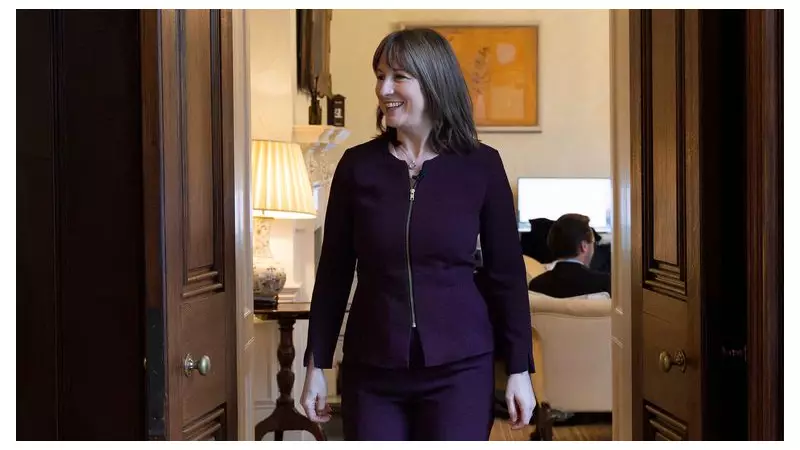
Chancellor Rachel Reeves is set to deliver a Budget defined by significant tax increases, as she confronts an estimated £30 billion black hole in the UK's public finances. The statement, scheduled for 12:30 PM on Wednesday, 26th November 2025, acknowledges public frustration but promises "fair and necessary choices" to stabilise the economy.
Key Tax Measures and Revenue Raisers
The centrepiece of the taxation strategy is the extension of the freeze on income tax thresholds for an additional two years beyond 2028. This measure, which the Chancellor had previously ruled out, is projected to raise approximately £8 billion by dragging more earners into higher tax brackets as wages rise.
Ms Reeves has avoided a direct increase in income tax rates, a move that would have breached Labour's manifesto commitments. However, she is proceeding with a suite of other revenue-generating policies confirmed by the government.

These confirmed measures include:
- Empowering local authorities to impose a new tourist levy on accommodation.
- Expanding the existing sugar tax to include packaged milkshakes and lattes.
- Introducing extra taxes on higher-value properties.
Further reports indicate the Budget will also feature a cap on tax-free allowances for salary sacrifice schemes, increased taxes on gambling firms, and the introduction of a pay-per-mile scheme for electric vehicles.
Spending Pledges and Economic Context
Alongside the tough fiscal decisions, the Chancellor has vowed to "push ahead with the biggest drive for growth in a generation." She has allocated funds for major investment in infrastructure, housing, defence, and skills development.
Specific spending announcements already confirmed are:
- An above-inflation £550 annual increase for the state pension.
- A freeze on prescription prices and rail fares.
- A 4.1% rise in the National Living Wage, taking it to £12.71 per hour for workers aged 21 and over.
- An extra £5 million to refresh secondary school libraries.
- Substantial new funding for the NHS, including £300 million for technology upgrades and the expansion of integrated Neighbourhood Health Services.
Ms Reeves attributed the dire fiscal situation to a combination of factors, including a downgraded productivity forecast, policy U-turns on benefits, and "heightened global uncertainty." She admitted that the economic damage from austerity, Brexit, and the pandemic was more severe than initially anticipated.
Political Reaction and Criticism
The opposition parties have launched a fierce critique of the Chancellor's plans. Conservative shadow chancellor, Sir Mel Stride, accused Ms Reeves of breaking her promise not to return for more tax rises after last year's budget. He stated, "Hardworking families are being handed the bill" for what he termed political weakness.
The Liberal Democrats' deputy leader, Daisy Cooper, described the situation as a "cost-of-living permacrisis" and criticised the government for "yet more betrayals." The Green Party and SNP have also demanded bolder policies to support ordinary people and stimulate genuine economic growth.
Despite the controversy, the Chancellor remains resolute, framing this Budget as an essential step to "build a fairer, stronger, and more secure Britain" for the future.