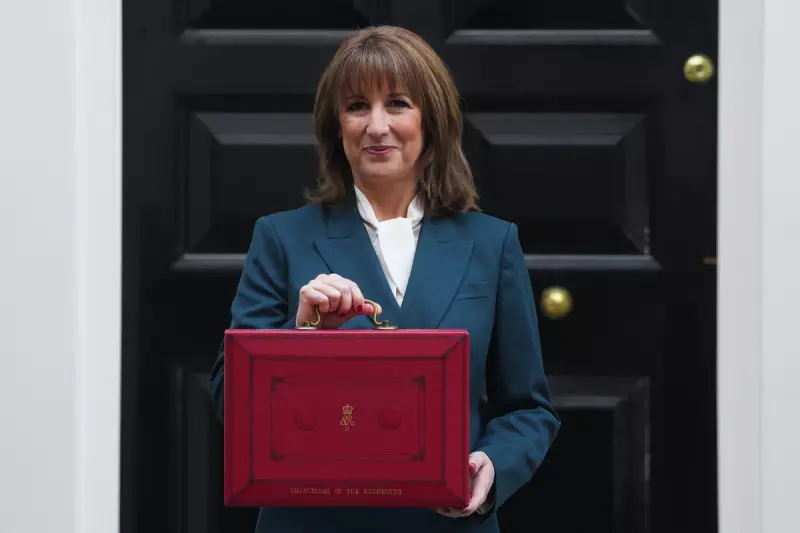
Chancellor Rachel Reeves has delivered her first Budget, unveiling sweeping changes to Britain's tax landscape that will reshape personal finances for years to come. The measures, announced on Thursday 27th November 2025, are expected to raise £26bn in additional government revenue by the end of this parliament.
While much attention has focused on the Office of Budget Responsibility leak, the concrete details affecting household budgets have now emerged. The Chancellor has extended income tax thresholds, introduced new property taxes and significantly reformed pension arrangements.
Income Tax and Stealth Increases
Rachel Reeves has extended the income tax threshold freeze until 2031, rather than the previously planned 2028. This move represents an £8.3bn stealth tax that will drag 920,000 more Britons into paying the 40 per cent higher rate of income tax.

Meanwhile, 780,000 additional people will begin paying the basic rate. Families with young children face an additional challenge: if their income creeps over £100,000, they risk losing 30 hours of free childcare, creating a significant effective tax rate at that threshold.
Property and Wealth Taxes
From April 2027, property income will be taxed in line with savings income, affecting landlords with income exceeding £25,000 annually. Rates will increase by two percentage points across all tax bands, with basic rate payers facing a 22 per cent charge, higher rate payers 42 per cent, and additional rate payers a substantial 47 per cent.
The much-discussed 'mansion tax' has materialised as a new high-value council tax surcharge for properties valued over £2m. Four price bands will apply, with charges ranging from £2,500 for properties valued between £2m-£2.5m to £7,500 for properties above £5m.
Pensions and Savings Shake-up
In a major reform, the Treasury has dramatically pared back salary sacrifice schemes, which allow employees to exchange salary for benefits like pension contributions. From April 2029, the exemption will be capped at £2,000 per employee annually.
The cash ISA allowance will be reduced from £20,000 to £12,000 from April 2027, though pensioners will retain the full allowance. Dividend taxes will increase by two percentage points for basic and higher rate taxpayers from April 2026.
There is some positive news for investors: a three-year stamp duty holiday for new listings on the London Stock Exchange takes effect immediately, removing the 0.5 per cent tax burden.
The Lifetime ISA remains unchanged for now, but the government will consult on a new, simpler product to support first-time buyers in early 2026.
These measures represent the most significant overhaul of personal taxation in recent years, with consequences that will unfold throughout this parliament and beyond.