British households have collectively tightened their purse strings in response to ongoing financial pressures, with the average person saving £1,411 through strategic cutbacks this year alone.
Widespread Financial Adjustments
According to a comprehensive poll of 2,000 adults conducted across the UK, 83 per cent of Britons have made significant spending reductions over the past twelve months. The research highlights how continuing cost-of-living challenges have forced households to reconsider their financial priorities.
The survey revealed that holidays and social outings rank among the biggest sacrifices people have made. Many respondents have switched to more affordable supermarkets for their weekly grocery shopping, while others have cancelled television subscriptions and reduced spending on dining out. A substantial number have also cut back on purchasing new clothing to manage their budgets more effectively.

Monthly Savings and Christmas Concerns
The collective belt-tightening has resulted in average monthly savings of £117.60 per person, accumulating to £1,411.20 annually. The financial anxiety extends to seasonal spending, with nearly a third (32 per cent) expressing concern about their ability to afford Christmas celebrations this year.
While rising living costs were identified as the primary driver for these cutbacks by 64 per cent of respondents, 20 per cent cited worries about potential tax increases as a significant factor influencing their financial decisions.
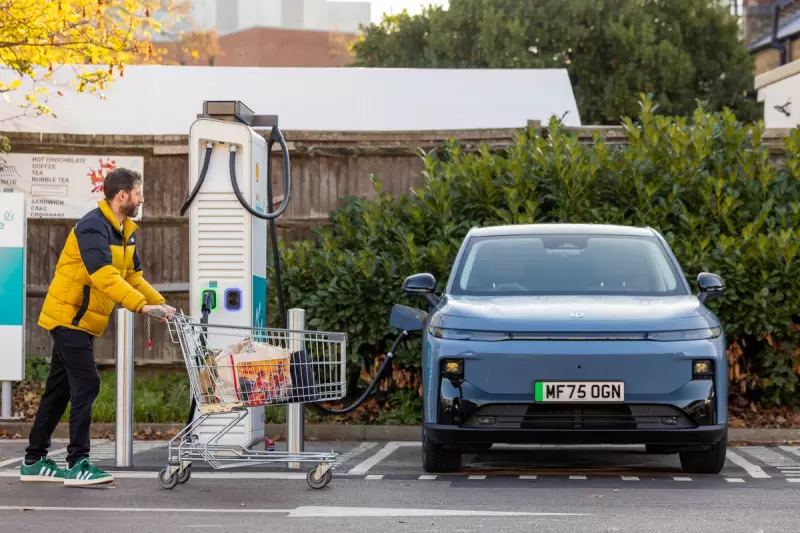
The research was commissioned by electric vehicle manufacturer Leapmotor following the launch of their latest SUV model, the B10. Damien Dally, UK managing director for the company, commented on the findings: "Money is tight for many and the speculation surrounding the Budget is only making people worry more. Brits are cutting back on 'luxuries' and building up a kitty for life's essentials."
Future Financial Planning and Additional Income Streams
The study indicates that nearly half (45 per cent) of respondents plan to save the money they've accumulated through cutbacks specifically to manage future cost increases. In contrast, 29 per cent intend to spend these savings on essential items.
Looking ahead, the research reveals significant concern about future financial stability. Almost 38 per cent of Britons believe they will be in a worse financial position following the upcoming budget announcement, and 64 per cent anticipate making further cutbacks throughout the year.
Many households are exploring additional ways to supplement their income. The survey found that 35 per cent have sold old clothes, 28 per cent have invested money, and 21 per cent have started side hustles to improve their financial situation.
The research also examined attitudes toward electric vehicles in the current economic climate. News surrounding EV fuel duty has made 28 per cent of Britons less likely to purchase an electric vehicle. However, 45 per cent indicated they would consider switching to an electric car if both the initial cost and running expenses, including charging, were cheaper than fuel costs for their current vehicles.
Dally added: "A car is a necessary purchase for many, but we appreciate it's not a small financial outlay - and with the potential introduction of a pay-per-mile electric vehicle tax, drivers may be put off making the switch to electric now. That's why we want to give people a more affordable option."
The study, conducted via OnePoll, also identified the top twenty ways Britons have reduced their spending this year, providing a comprehensive picture of how households are adapting to financial pressures across multiple spending categories.