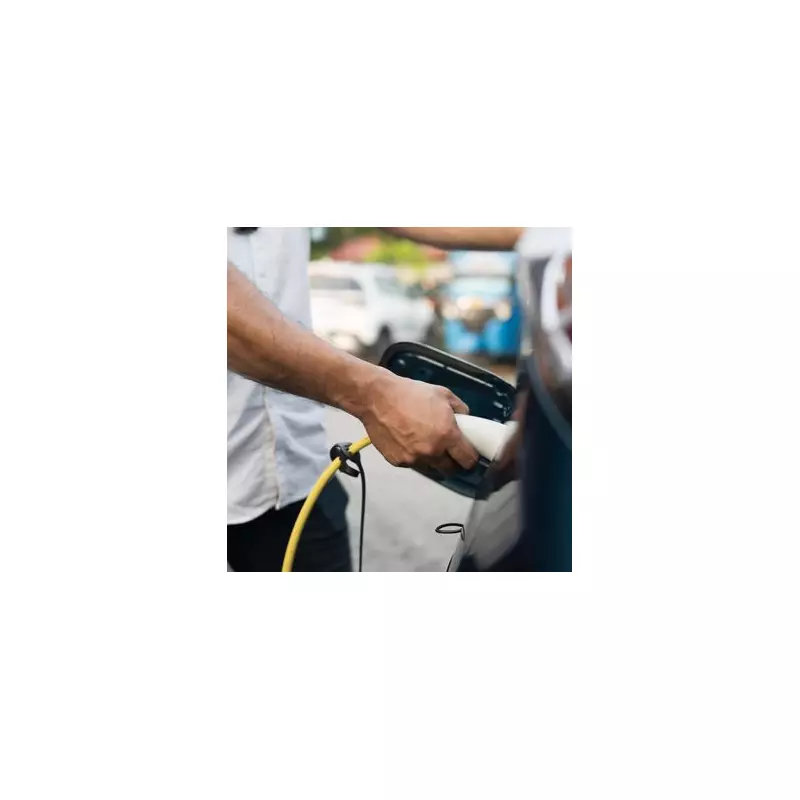
The Government has signalled a major shift in motoring taxation, with a new pay-per-mile charge for electric vehicles (EVs) potentially being unveiled in the upcoming Autumn Budget.
Chancellor Rachel Reeves is reportedly considering a 3p per mile levy on all electric vehicles, a move designed to address the Treasury's growing concern over falling fuel duty revenues as more drivers switch to zero-emission cars.
The Budget Proposal and its Financial Impact
According to reports from the Daily Telegraph, the new charge could be announced in the Budget on November 26. If implemented, it would mean an average EV driver covering 8,000 miles per year would face an additional £240 in annual tax.

This system would represent a fundamental change from the current tax structure. Owners of petrol and diesel vehicles pay duty at the pump—52.95p per litre plus VAT—while EV owners have thus far been exempt from such road-use charges.
The proposed scheme, expected to begin in 2028 after a consultation, would require drivers to estimate their annual mileage and pay in advance. They would then need to top up if they exceed their estimate, with any unused funds rolling over to the following year.
Political Sensitivity and Public Reaction
The concept of road pricing has long been considered politically sensitive for successive governments. The issue was recently highlighted in a parliamentary written question from Conservative MP Richard Holden, who questioned the impact on rural motorists, low-income drivers, and small businesses.
In response, Exchequer Secretary to the Treasury, Dan Tomlinson, stated the system remains 'under review', with any changes announced at 'fiscal events'. He confirmed that fuel duty is still projected to raise £24.4 billion in 2025/26.
Public opinion appears divided. A recent YouGov poll of 5,833 adults found that 43% support a pay-per-mile tax for EVs, while 34% oppose it, and 23% are undecided. Support was notably higher among older demographics.
Industry Concerns and the Road Ahead
Motoring groups have expressed significant concerns about the proposal. AA president Edmund King urged the government to 'tread carefully' to avoid undermining the transition to electric vehicles, warning against a 'poll tax on wheels'.
Steve Gooding, director of the RAC Foundation, noted that the Treasury's 'fuel duty cash-cow' is nearing its end. He suggested that if a distance charge is introduced, the government must simultaneously address the high cost of public charging, particularly for those without home charging options.
A Government spokesperson defended the potential move, stating: 'We want a fairer system for all drivers whilst backing the transition to electric vehicles.' They highlighted the £4 billion already invested in EV support, including grants.
With the Autumn Budget fast approaching, all eyes will be on the Chancellor's decision, which could redefine the financial landscape of driving in Britain for decades to come.