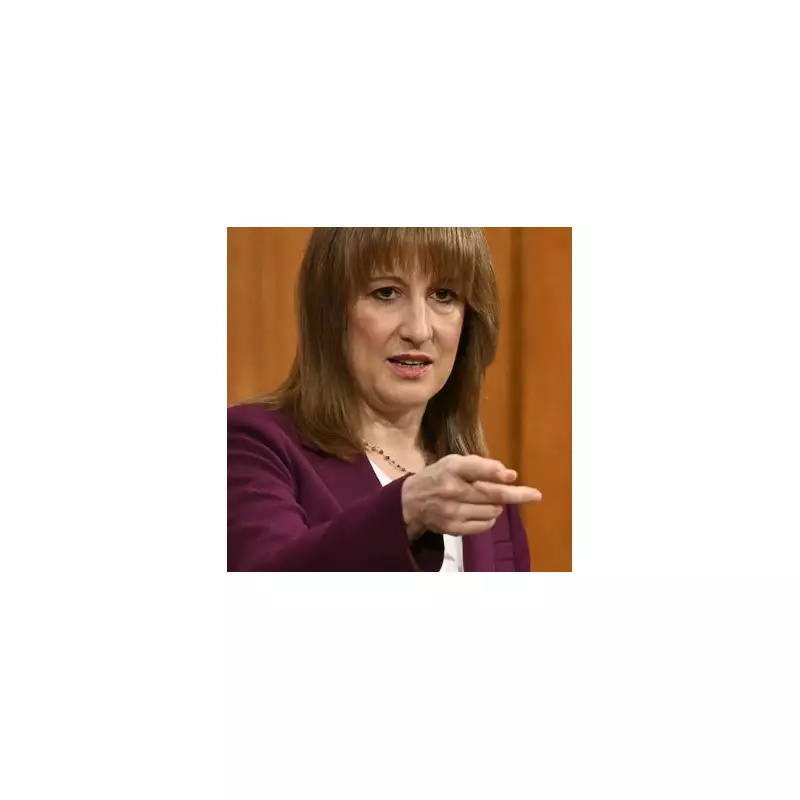
The government is reportedly preparing to introduce a landmark 3p per mile charge for electric vehicle owners as early as 2028, with Chancellor Rachel Reeves expected to announce the plans in her upcoming Budget.
The Revenue Challenge
According to recent reports, the Treasury faces a growing financial gap as increasing numbers of drivers switch to electric vehicles, causing fuel duty revenues to plummet. The shift away from petrol and diesel cars has created what briefing papers describe as a 'wicked problem' for the Chancellor.
Fuel duty currently generates approximately £24.4 billion annually, but this revenue stream is rapidly declining as EV adoption accelerates. The proposed 3p per mile charge would see the average driver covering 8,000 miles per year facing an additional £240 in annual taxes.

Public Opinion and Fairness Concerns
New research reveals significant public support for electric vehicle taxation, with a Stonehaven poll of 2,249 UK adults showing that 71% believe EV drivers should contribute at least some taxation for road use. Only 14% felt electric vehicle owners should pay nothing.
Support increases dramatically when taxpayers can see clear benefits from the revenue. Around 61% of respondents backed an EV tax if it directly funded charging network improvements, rising to 83% if the money went towards repairing potholes.
Michael Dnes, Stonehaven's head of transport policy, highlighted the fairness issue: 'Right now, there are big differences in how easy it is to go electric, and the system favours people who own a house with a driveway. Others can pay 10 times as much to fill the same battery.'
Industry Reaction and Implementation
Motoring organisations have expressed concerns that the new charge could deter potential EV adopters. AA president Edmund King acknowledged the Treasury's revenue challenge but urged the government to 'tread carefully' to avoid slowing the transition to cleaner vehicles.
The RAC Foundation's director Steve Gooding noted that the Treasury's 'fuel duty cash-cow' is nearing its end and emphasised the need to address public charging costs for the millions without home charging options.
The proposed system would see motorists paying based on actual mileage, with calculations showing a London to Edinburgh journey costing £12, Cambridge to Bristol £5, and Liverpool to Leeds £2 under the 3p rate.
Recent YouGov polling indicates that 43% of Britons support pay-per-mile charging for electric vehicles, while 34% oppose the idea, with older demographics showing stronger support than younger drivers.
The Treasury has confirmed that any changes to road pricing would be announced at future fiscal events, with the current fuel duty system remaining in place for petrol and diesel vehicles.