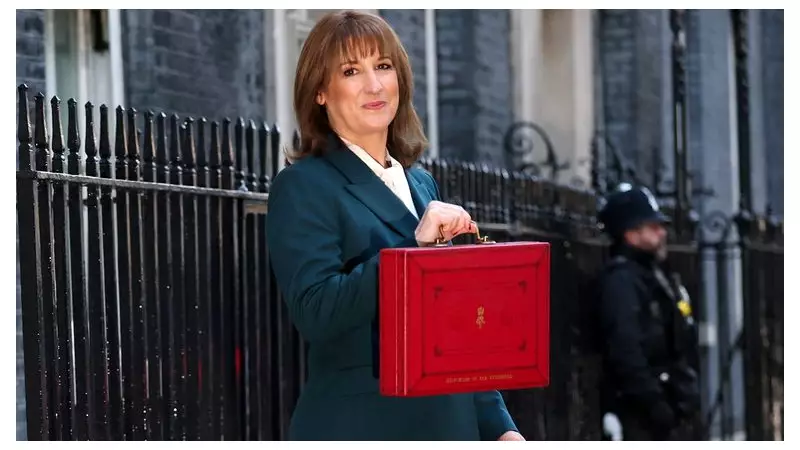
In a significant move for UK pensions and public finances, Chancellor Rachel Reeves has announced a major reform to salary sacrifice pension schemes, setting a new annual cap of £2,000 for tax-free contributions.
The New Pension Cap Explained
Delivering her Budget speech to the House of Commons, the Chancellor confirmed that from April 2029, pension contributions made through salary sacrifice arrangements that exceed £2,000 per year will no longer be exempt from National Insurance Contributions (NICs). Ms Reeves described this as a "pragmatic step" designed to safeguard the financial interests of those on low and middle incomes.
Salary sacrifice schemes are a popular arrangement where employees voluntarily give up a portion of their pre-tax salary. In return, their employer pays an equivalent sum directly into their pension pot. Until now, this sacrificed portion of income has been free from both income tax and National Insurance, providing a valuable incentive for retirement saving.

Financial Impact and Government Rationale
The policy shift is projected to have a substantial effect on the Treasury's coffers. According to the independent Office for Budget Responsibility (OBR), the change is expected to raise more than £4 billion in the 2029/30 financial year alone, with a further £2.6 billion anticipated in 2030/31.
Justifying the decision, the Chancellor highlighted that the cost to the public purse of supporting salary sacrifice for pensions was forecast to treble from £2.8 billion in 2017 to a staggering £8 billion by 2030. She argued that the current system disproportionately benefits higher earners, stating, "The greatest benefit was going to higher earners or to those in the financial services sector putting their bonuses into pensions tax-free, while those on the minimum wage or whose employers don't offer salary sacrifice don't benefit at all."
Consequences for Employees and Employers
Under the new rules, any pension contribution above the £2,000 threshold will be treated as a standard employee contribution. This means it will be subject to both employee and employer National Insurance Contributions.
The Society of Pension Professionals (SPP) has raised concerns about the wider implications. They note that approximately a third of private sector workers utilise these schemes. Steve Hitchiner, Chair of the SPP's tax group, warned, "Abolishing salary sacrifice for pensions will affect the take-home pay of millions of employees - especially basic rate taxpayers - and is a tax on working people, in spirit if not in name."
He further cautioned that the change could inadvertently reduce overall pension saving across the country. The SPP also pointed out that basic rate taxpayers would feel a greater impact, as the main employee NICs rate is 8%, compared to just 2% on earnings above £50,270.
The government has allowed a significant implementation period, with the changes not taking effect until 2029, to give both individuals and businesses ample time to adjust their financial planning.