Chancellor Rachel Reeves is set to reveal a significant financial injection for the UK's electric vehicle (EV) sector in next week's budget, aiming to accelerate the transition to clean transport. The £1.5 billion package is designed to address key barriers to EV adoption, though it comes alongside a controversial proposal for a new road tax that has left industry experts concerned about mixed messages for consumers.
A Dual-Pronged Financial Injection
The centrepiece of the announcement is a £1.3 billion top-up for the existing electric car grant scheme. This initiative reduces the upfront cost of new EVs for buyers by up to £3,750. The fund, which has already assisted 35,000 drivers, was due to be depleted within two years due to its popularity. The new funding will extend the scheme's eligibility until 2029-2030, providing long-term certainty for potential buyers.
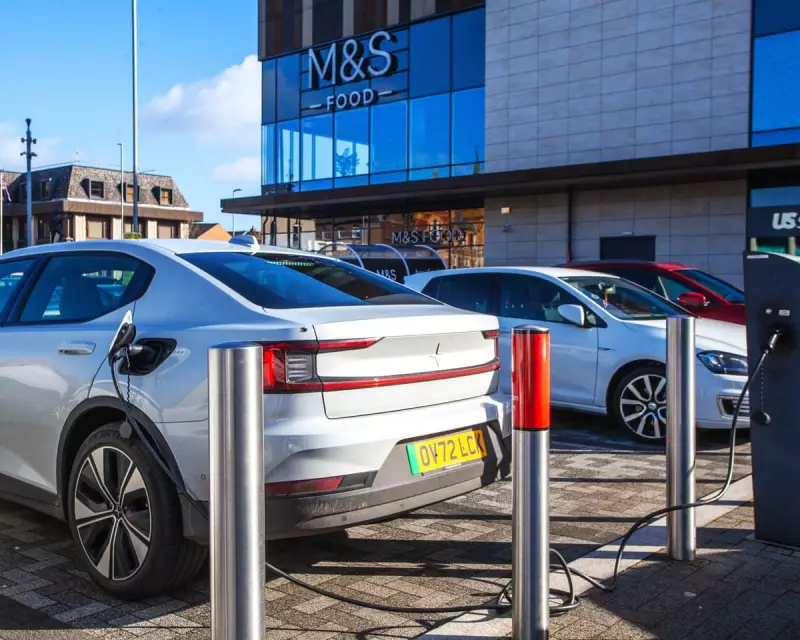
Alongside the purchase incentives, the Chancellor will allocate a further £200 million for the rollout of new charging points. This move directly tackles 'range anxiety' – a frequently cited reason consumers hesitate to switch to electric cars. A government source stated the package aims to "unlock jobs and opportunities" and make it "easier for people to go green."

Industry Welcome Tempered by Tax Concerns
While the additional subsidies were welcomed, the budget is also expected to include a consultation on a new pay-per-mile tax. This scheme would likely add an extra 3p per mile to the running costs of electric vehicles, on top of other road taxes. For the average EV driver, this could mean an additional £276 per year, raising an estimated £375 million annually for the Treasury.
Ginny Buckley, founder of the EV review site Electrifying.com, voiced the confusion felt by many. "It is good news the electric car grant is getting topped up," she said. "Having said that, the policy around EVs is really confused. You can’t incentivise people to get EVs while also floating the idea of pay-per-mile chargers. Prospective buyers feel like they are being green-lit to buy a new car and then immediately met with a stop sign."
Addressing Charging Cost Inequalities and Market Mandates
The budget will also feature a review into the cost of on-street charging. Currently, public charging attracts a 20% VAT rate, while charging an EV at home is taxed at only 5%. This disparity effectively penalises those without access to off-street parking, often residents of poorer households. The review into this issue is not scheduled to report until next autumn.
These financial manoeuvres occur against the backdrop of the government's strict Electric Vehicle Mandate. This policy requires carmakers to ensure that one in three cars sold next year are zero-emission80% by 2030. The new subsidies are seen as a crucial tool to stimulate consumer demand to match these ambitious supply-side targets.
The proposed pay-per-mile tax is primarily intended to fill a looming budget gap created by falling fuel duty revenues as drivers abandon petrol and diesel cars. However, experts warn that introducing such a tax too soon could risk stalling the very market the government is trying to boost.