
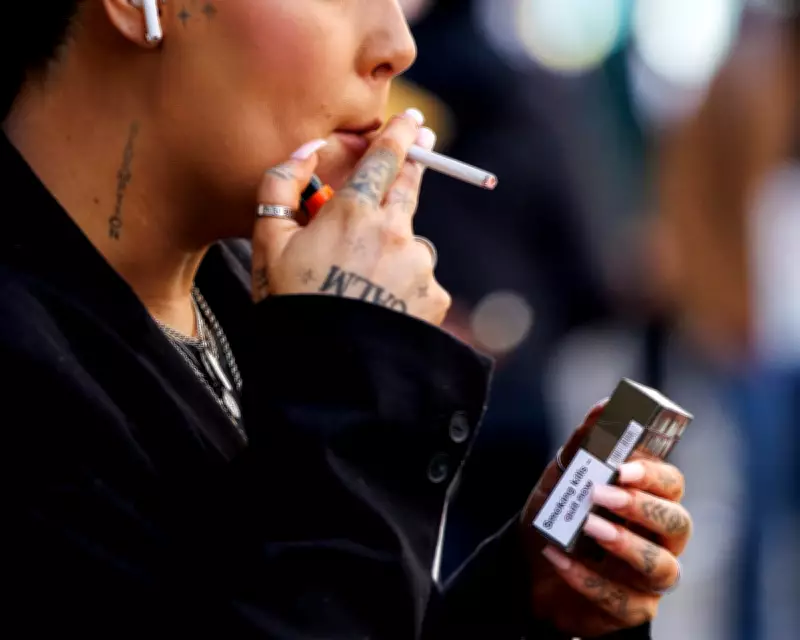
The UK parliament has passed a landmark bill implementing a phased tobacco ban for anyone born on or after 1 January 2009, marking a significant step toward a smoke-free generation. The legislation, which also tightens regulations on vaping, has garnered broad cross-party support and is being closely watched by other nations.
How the Ban Works
Under the new law, the minimum legal age for purchasing tobacco will increase by one year each year starting in 2027, creating a permanent generational line. Those above the line can still buy cigarettes, while those below cannot. Over time, as older citizens pass away, the proportion of people legally able to smoke will dwindle until no one in the UK can buy tobacco products. This gradual approach avoids an outright ban that might provoke conflict with current smokers.
Vape Regulations Expanded
The bill extends regulation of vapes, including restrictions on advertising and marketing to youth. It bans vaping in playgrounds, public and commercial buildings, cars carrying children, and outside hospitals and schools. These measures aim to curb youth uptake and secondhand exposure.
Public and Political Support
Despite a polarized political climate, the law enjoys remarkable consensus among Conservative, Labour, and Liberal Democrat voters. Notably, 52% of smokers support raising the sale age annually, and 78% of the public back a smoke-free generation, according to a 2024 YouGov poll. Many smokers regret starting, with 90% beginning before age 21, and 80% have tried to quit.
Health and Economic Rationale
Smoking costs the NHS £2.6 billion annually and society £11 billion. It is linked to two-thirds of deaths among female smokers in their 50s-70s, and smokers die 10 years earlier on average. The policy aims to reduce preventable disease and ease strain on healthcare services.
Philosophical Debates
The generational ban raises questions about individual freedom. Supporters argue that true freedom includes growing up without industry targeting and access to an NHS not overstretched by preventable illness. The burden falls on retailers, not smokers, and the law does not criminalize smoking itself.
Global Implications
Other countries, including the Maldives which implemented a similar ban in 2023, are watching the UK experiment. The approach focuses on gradually phasing out tobacco rather than immediate prohibition, potentially serving as a model for global public health policy.




