
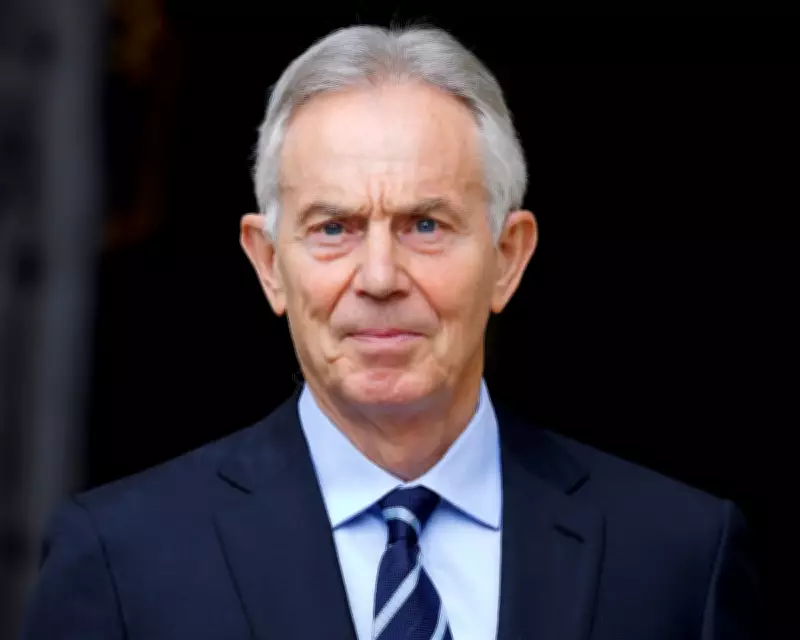
Tony Blair's recent essay on Labour's failings has been met with criticism, with many questioning his relevance nearly 20 years after he left frontline politics. The former prime minister's 5,700-word analysis, released by his thinktank, offers a mix of praise and sharp criticism for current Labour leaders, including Keir Starmer and Wes Streeting. However, the intervention has been described as unhelpful and poorly timed, coming before a crucial byelection.
Blair's Critique and Praise
Blair's essay emphasizes his electoral success, noting that he led Labour through three general elections. He laments that the party ignores the only period in its history when it won consecutive terms. While he praises Starmer for making Labour an 'acceptable default' and calls Streeting a 'huge political talent,' the overall tone is critical.
Reactions to the Intervention
One response described Blair as 'becoming less and less relevant,' reflecting a common sentiment. Critics point out that Blair is now more associated with elite gatherings like Davos and his Gaza Board of Peace with Donald Trump than with practical politics. His advice, including abandoning net zero goals and supporting Trump, is seen as politically unfeasible.
Content and Timing
The essay argues that Labour and the UK are stuck in outdated debates, failing to address challenges like AI. However, many in Labour find his policy prescriptions unrealistic, such as ditching workers' rights and net zero projects. The timing, ahead of the Makerfield byelection, has added to the annoyance.
Blair's Relevance Questioned
While some in government may agree with Blair's call for a clearer growth strategy, his suggestions often seem disconnected from current political realities. His praise for Trump and criticism of Labour's approach to Iran reinforce the perception that he is out of touch with British voters. Ultimately, the essay is seen as more of a hindrance than a help to Labour's current leadership.




