
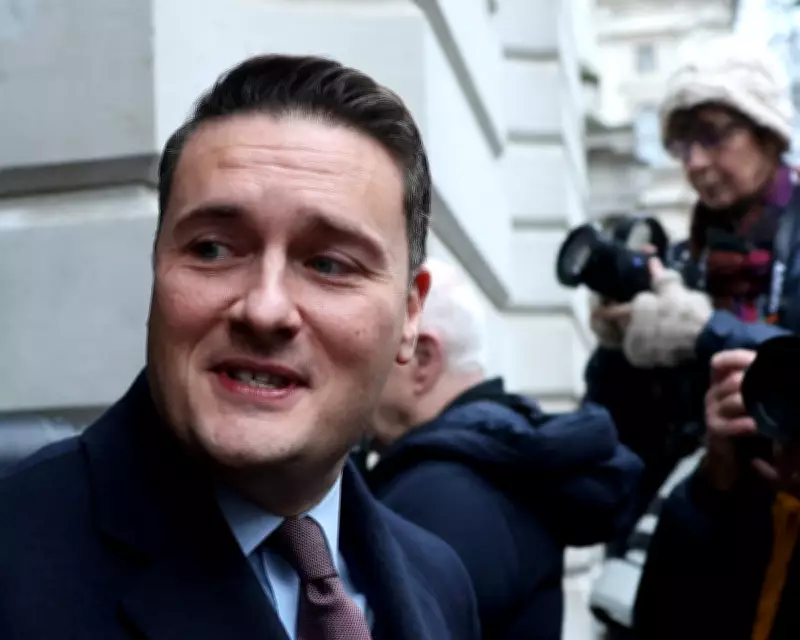
Wes Streeting, the former health secretary, is employing a clever but cautious strategy in the Labour leadership race, using Brexit as a political tool without committing to concrete policies. As ten years have passed since the referendum, Brexit continues to serve as a domestic political football, and Streeting is adeptly playing the game.
The Labour Leadership and Brexit
Winning the Labour leadership requires a clear stance on the EU, as most party members are Remain supporters. However, Andy Burnham, running for parliament in the Leave-backing constituency of Makerfield, faces a different challenge. His recent shift to a more sceptical stance on Europe reflects the risk of alienating local voters who prioritize Reform UK as the main opposition.
Streeting, meanwhile, has spoken in vague terms about a new "special relationship" with the EU and a desire to rejoin one day, but without specifics. This ambiguity allows him to appeal to party members while avoiding commitments that could backfire. Anand Menon, director of The UK in a Changing Europe, argues that this is politically astute but does little to address the need for a substantive EU policy rethink.
The Need for a Real Debate
Current EU negotiations have stalled over issues like youth mobility and domestic tuition fees for EU students. The UK government seeks closer relations, but the EU insists on a comprehensive approach rather than cherry-picking single market benefits. The UK's options are constrained by the 2024 manifesto pledge not to rejoin the single market, customs union, or accept free movement.
Menon stresses the importance of debating how far Labour should go, whether existing red lines should stand, and whether potential outcomes are in the UK's interest. A customs union would do little to offset Brexit's economic impact while tying the UK to EU trade deals without a vote. Single market membership would mean accepting EU rules without a say, a model that works for Norway due to depoliticization but may not suit the UK.
The Price of Rejoining
Rejoining the EU would come with significant costs, including budget contributions and likely a commitment to join the euro. Negotiations would be brutal and lengthy, under intense scrutiny from Brexit supporters. Menon warns that Labour politicians are incentivized to say what their audience wants, whether in Makerfield or among party members, rather than engaging in honest debate.
This approach risks irritating the EU, which has watched successive UK governments argue internally over Brexit. Brussels is likely to shrug and wait for the UK to decide what it wants, even if what is on offer does not match expectations. The need for a real conversation about Europe remains urgent, but domestic gamesmanship continues to dominate.




