
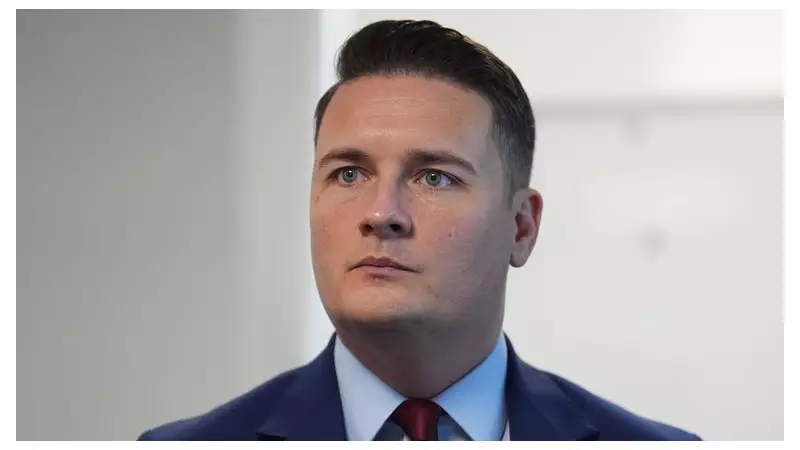
Downing Street has forcefully restated the government's commitment to its core Brexit principles, following comments from Health Secretary Wes Streeting that appeared to endorse a closer trading relationship with the European Union, including a potential bespoke customs union.
Streeting's Call for a "Deeper Trading Relationship"
In an interview with The Observer on Sunday, 21st December 2025, Wes Streeting broke ranks with the official government line. The Health Secretary argued that the best way to boost UK economic growth was through a "deeper trading relationship with the EU". He pointed to the "enormous economic benefits" of previous membership in the single market and customs union as reasons why leaving the bloc had such a significant impact.
While Mr Streeting explicitly ruled out a return to the single market and the associated freedom of movement, he notably left the door open to the UK joining a customs union. Such an arrangement would grant the UK tariff-free trade with the EU bloc but would require accepting common standards for traded goods.
No 10's Swift Rebuttal and Conservative Criticism
The Prime Minister's official spokesperson moved quickly to address the remarks on Monday morning, 22nd December. The spokesperson emphasised that while the government seeks to "reset" and strengthen its relationship with the EU, it remains committed to "sticking to our red lines for the long term".
This position directly aligns with the Labour Party's 2024 general election manifesto, which set out three clear red lines: no return to the single market, no return to the customs union, and no return to freedom of movement. EU Relations Minister Nick Thomas-Symonds had previously insisted, "We are not rejoining the customs union."
The Conservatives seized on Mr Streeting's comments, accusing him of "political pitch-making" and focusing on courting "left-wing, pro-EU Labour Party members" instead of managing the health service. Reform UK's deputy leader, Richard Tice, labelled the suggestions a "shameful betrayal" of the 2016 Brexit vote.
Growing Internal Labour Pressure on EU Relations
This incident highlights growing internal pressure within the Labour Party for the government to pursue a closer economic partnership with the EU, which remains Britain's largest trading partner. Earlier in December, Deputy Prime Minister David Lammy also appeared to support moves towards a customs union arrangement.
The public disagreement between a senior cabinet minister and the official Downing Street line underscores the ongoing and delicate political balancing act the government faces in managing post-Brexit relations with Europe while maintaining party unity and its stated electoral promises.




